
RExPO26: A collective movement to revolutionize the future of Systems Medicine, AI and Drug Repurposing
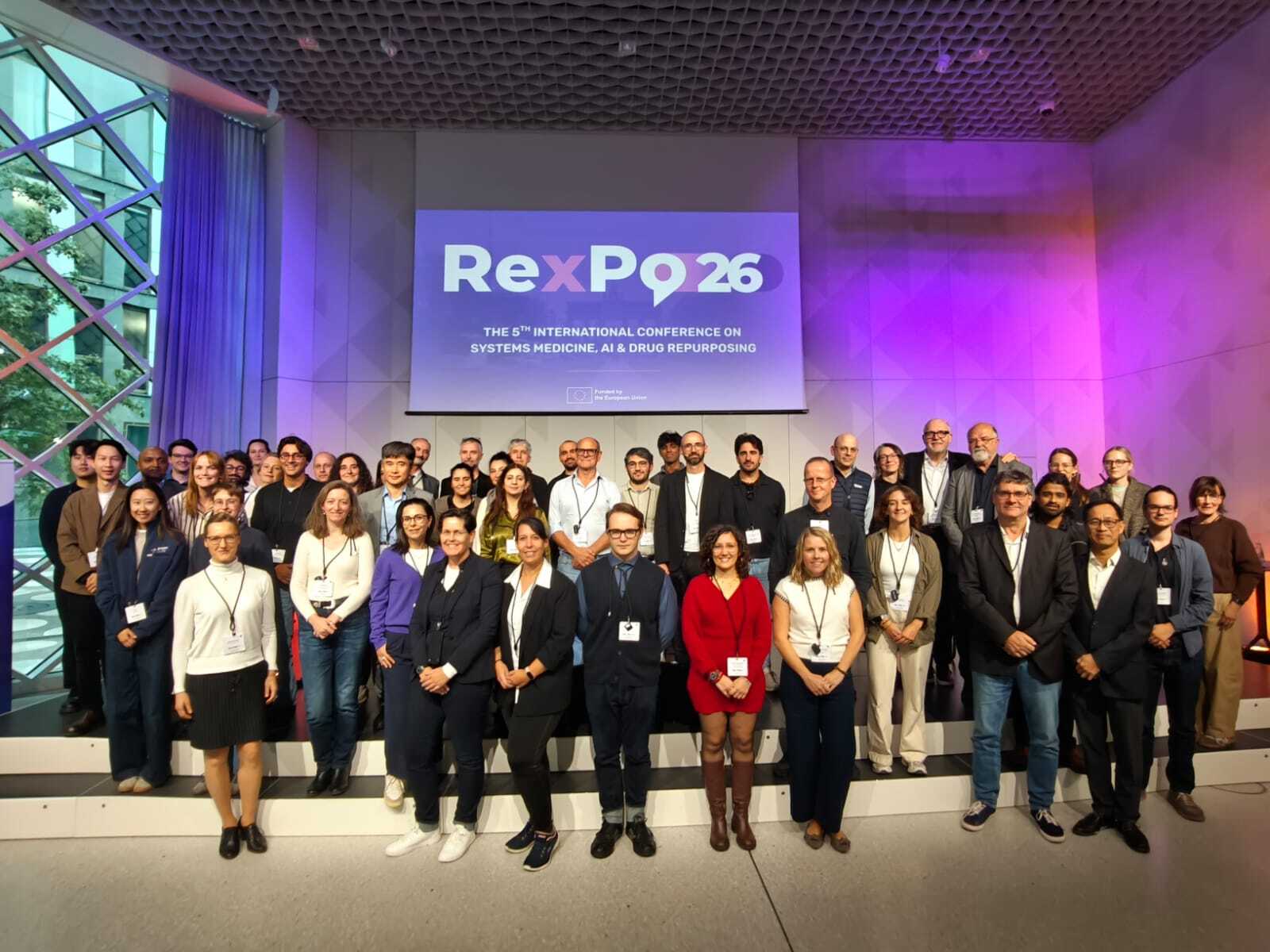
From 23–25 September, RExPO26 brought the global drug repurposing community together in Berlin, one of Europe’s science hubs, for the fifth edition of the international conferences series organized by REPO4EU. It’s no coincidence that this year’s event took place at Futurium, “the House of Futures”. Here, leading researchers, scientists, regulators, policy‑makers, industry representatives and patient‑focused organizations actively joined the movement to push the boundaries of modern medicine.
RExPO26 in a nutshell
The impressive scale of RExPO26 illustrated the huge amount of mental power gathered under one roof. With over 120 attendees – from 24 countries across Europe, the United States, Australia, Taiwan and beyond –, 55 speakers, 17 poster presentations, and 58 publications showcased across 11 dynamic sessions and 2 interactive workshops, the numbers speak for themselves, underscoring how far the field has evolved. Yet, beyond the statistics, it was the interdisciplinary quality, the vibrant energy and the amazing community character that proved the overarching sense of a shared purpose and commitment for action towards sustainable solutions to the world’s most pressing unmet healthcare needs.
This year’s programme spanned a wide spectrum of topics and expertise ranging from cutting-edge research and breakthrough technological advancements to the critical importance of scientific integrity. Discussions went in depth into network medicine, drug repurposing and rare diseases, while actively solidifying international coalitions, celebrating late‑breaking innovations and showcasing the next generation of researchers.
At the heart of it was the 2026 Honorary Lecture by Joseph Loscalzo of Harvard Medical School, who challenged the audience to rethink traditional medical definitions by asking a simple question: What is disease? By shifting the paradigm from symptoms to causes, Loscalzo’s talk encapsulated the fundamental philosophy of systems medicine that drives REPO4EU.

A leap forward: The platform beta release & strategic synergies
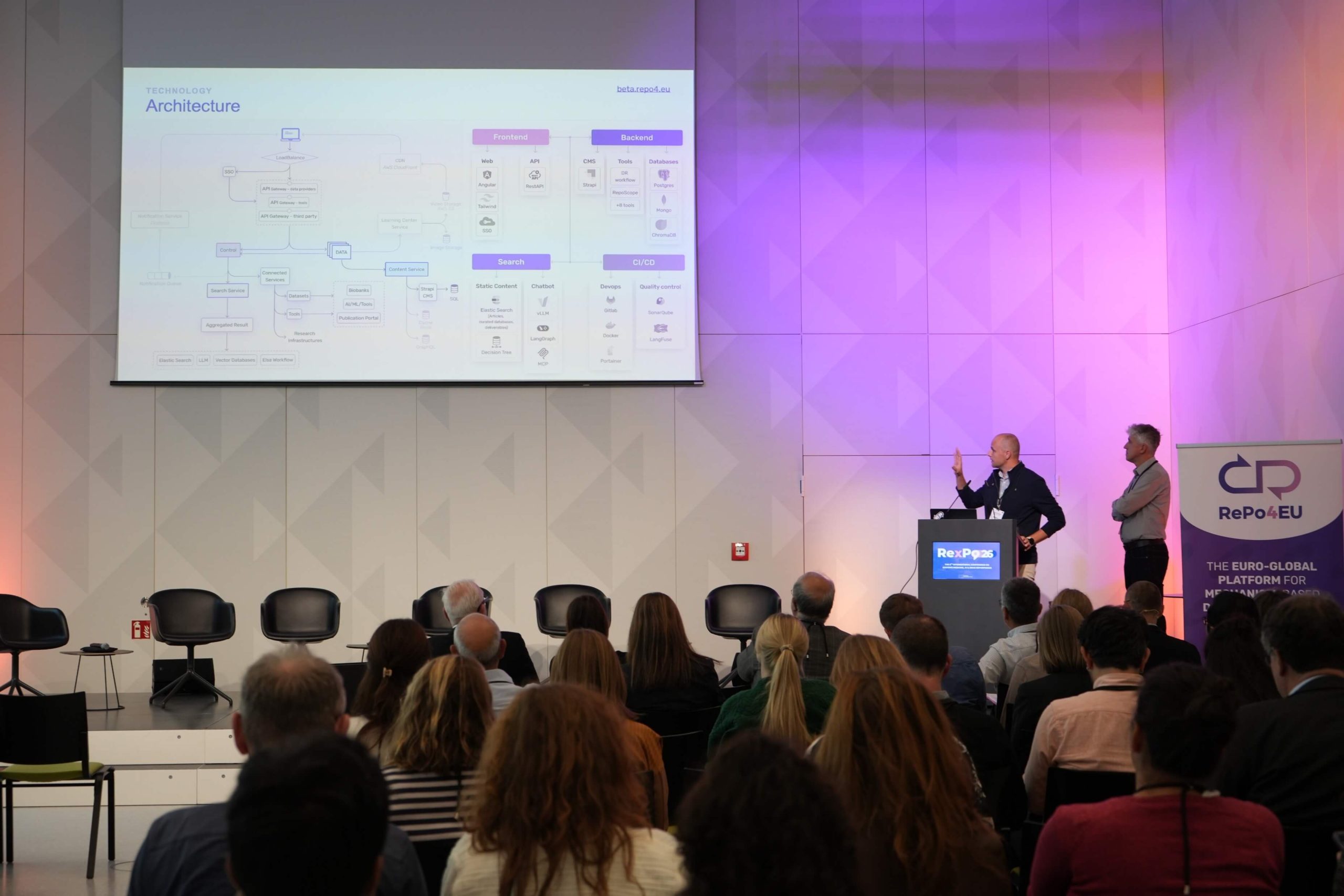
A highly anticipated highlight this year was the official public release of the REPO4EU Platform, the revolutionary one-stop shop for everyone in drug repurposing. Through dedicated talks, a hands-on workshop and a video presentation the key features of the platform were introduced, inviting scientists at every level, clinicians and the wider ecosystem to change how they work and unite under one collaborative, evolving, online workspace. The mission is clear: to focus on what matters most – advancing patient therapies. What lies ahead? Bela Bihari, General Manager of Egnosis – the technology partner leading the platform architecture development – stressed that “now, we are at this stage where gathering valuable community feedback is of utmost importance to fine‑tune the final version.”
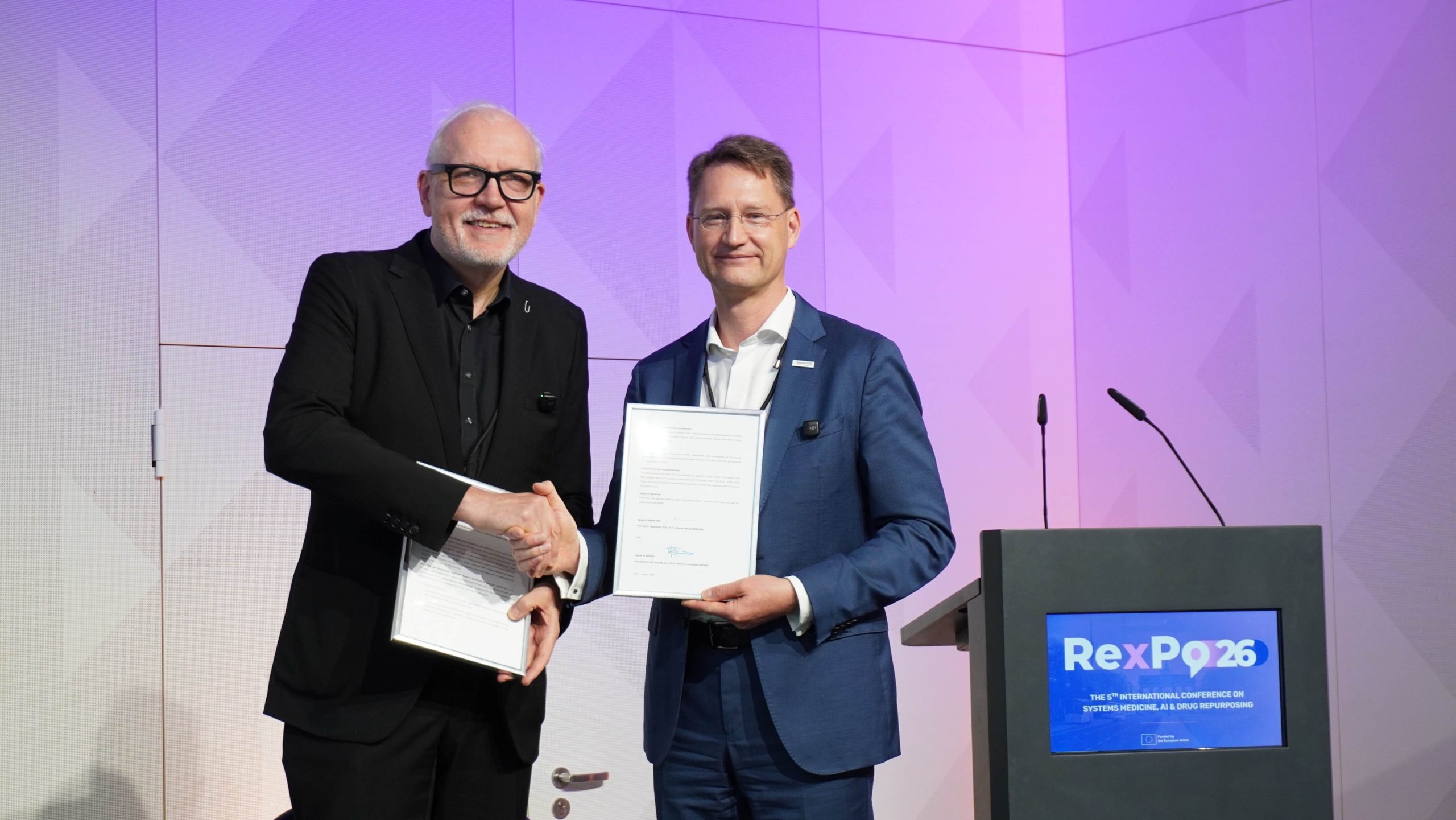
Beyond digital infrastructure, the conference boldly emphasized that drug repurposing relies fundamentally on robust coalitions. A prime example of this was the ceremonial handover of a Memorandum of Understanding between REPO4EU and BBMRI-ERIC, the European Research Infrastructure for biobanking and biomolecular resources. Jens Habermann, Director General of BBMRI-ERIC, underlined this as a great step forward for all stakeholder groups. “By bringing the assets of both sides together, this collaboration will accelerate innovation, leverage clinical research, and boost European competitiveness, ultimately for the benefit of patients,” he added.
Balancing Artificial Intelligence with human intuition
As the global medicine and life sciences landscape undergoes a major digital revolution, the role of AI and LLMs naturally took center stage. RExPO26 featured extensive discussions on how advanced computational capacity and AI can accelerate therapeutic strategies. Yet, despite the enthusiasm for cutting-edge technology, the takeaway was clear: AI is a tool to complement scientific rigor. Hermann Mucke, CEO of H.M. Pharma Consultancy, captured this perfectly, urging the community to “invest our ingenuity and our human capability of intuition to work with AI in the right way.”
Spotlight on Rare Diseases and Open Science
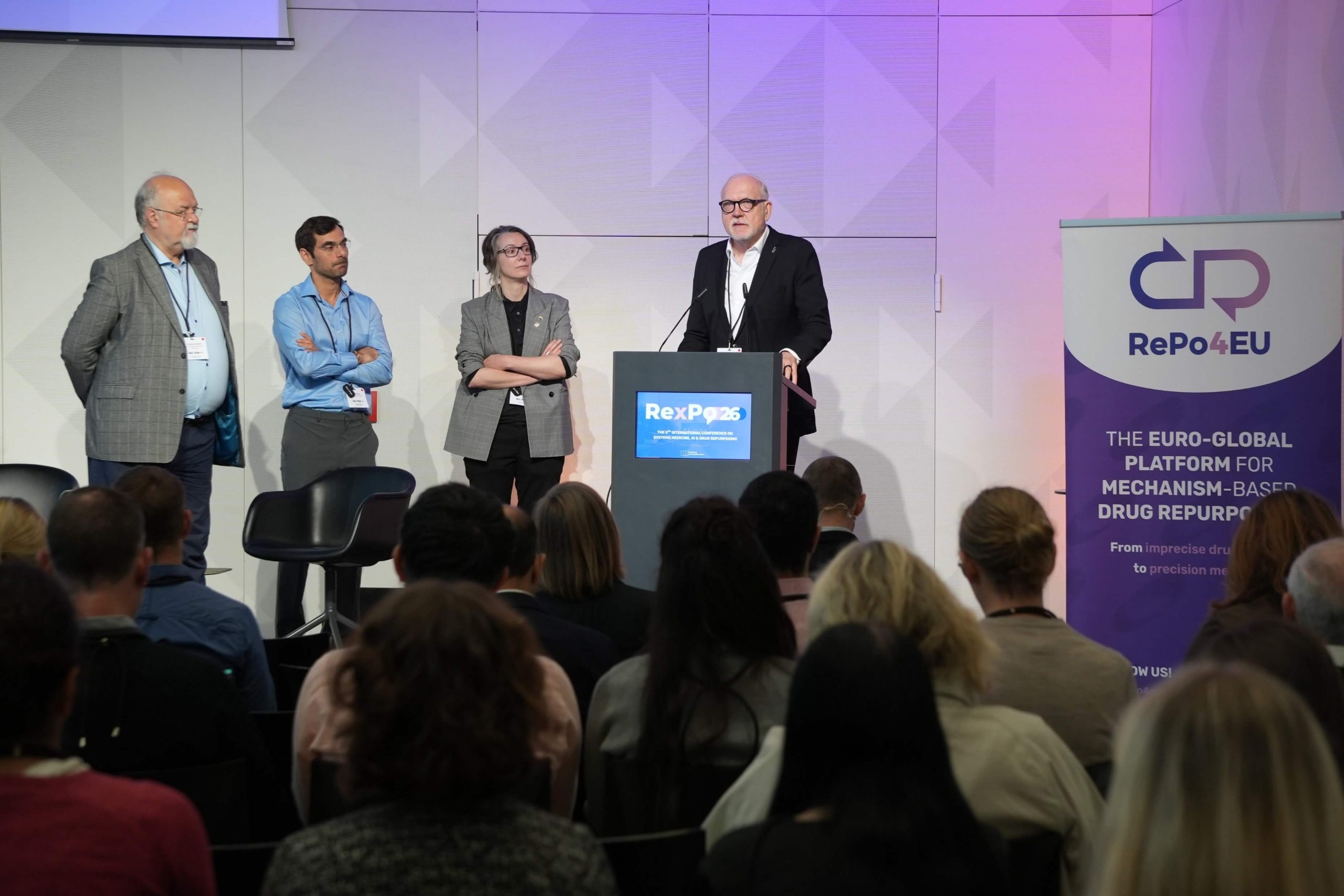
The newly introduced session on Open Science, Research Integrity & Quality Publishing raised the voices on the growing challenges of paper mills and data available upon request, highlighting how the forces shaping trust in science must be better organized. Nina Tscheke, COO of ScienceOpen and co-chair of this year’s conference, showcased best practices in open science publishing and the latest developments on Drug Repurposing Central, the dedicated publication and research portal of REPO4EU.
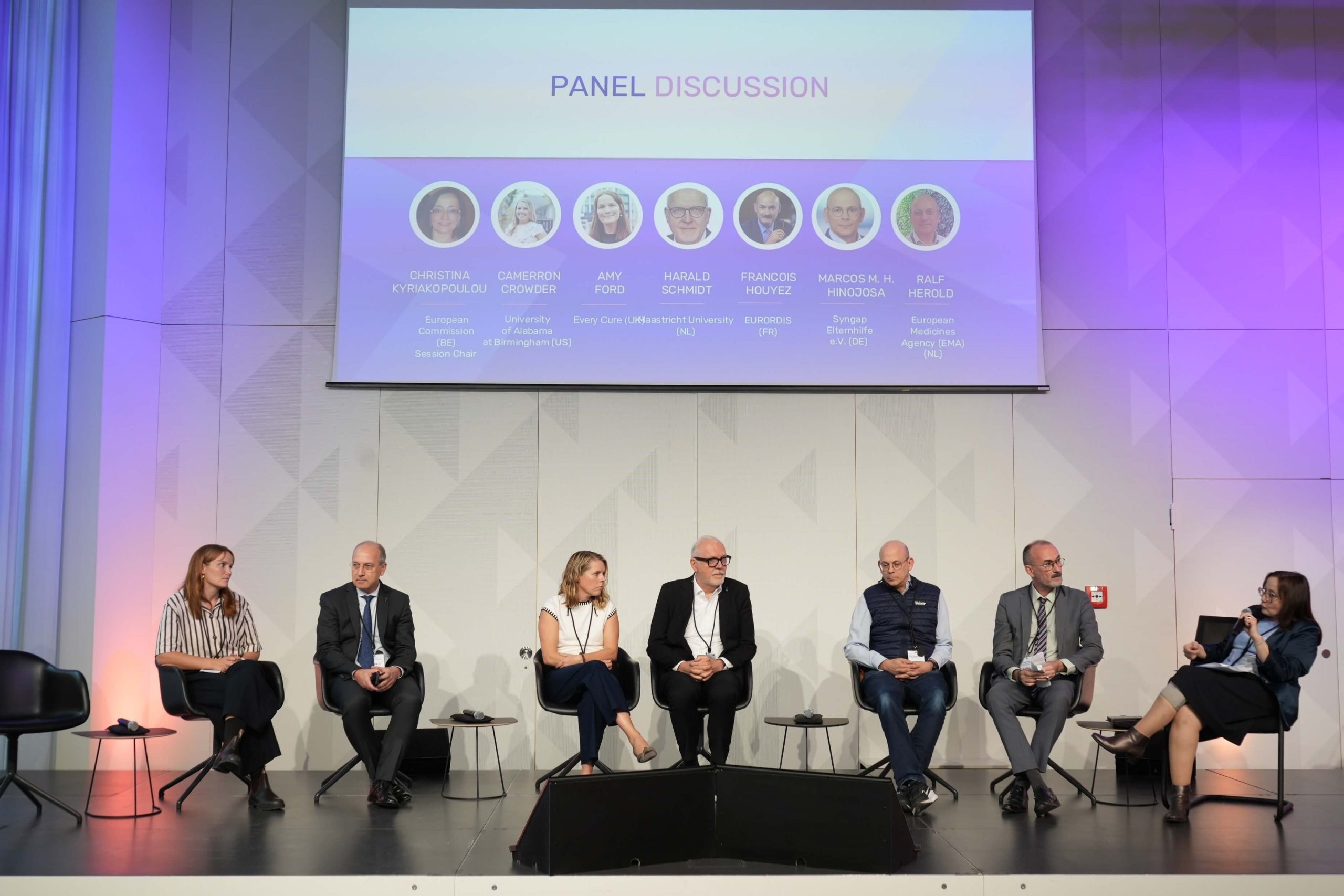
However, it was the closing session on Rare Diseases & Translational Network Medicine that electrified the energy in the room. Christina Kyriakopoulou, Scientific Policy Officer of the European Commission, delivered a powerful message pointing to the current situation for millions of patients: “There is no approved therapy for 90-95% of rare diseases, and drug repurposing is the most promising way to get the right treatment for them.”
Breaking through the real barriers
While the science of drug repurposing is rapidly advancing, the economic and regulatory frameworks often lag behind. Recognizing that science cannot be disconnected from market realities, a pivotal session focused on Aligning IP Strategy, Investment Incentives & Reimbursement in Drug Repurposing.
Experts debated the complexities of integrating IP strategies with reimbursement designs, indication-specific prescribing, early health technology assessments (HTAs) and market access planning. One of the most significant actionable outcomes of the conference was the announcement of the formation of a Core Special Interest Group (SIG), which will bring together key national‑level stakeholders to, collaboratively, pave the way for promising repurposed therapeutics to truly reach the patients who need them.
The momentum for 2027 and beyond
As the doors of the Futurium closed, the work ahead continues. In the coming months, the transition from the newly launched beta version of the REPO4EU Platform to a fully refined global infrastructure will be a central priority. Strengthening the existing synergies and pursuing new powerful coalitions that amplify the impact of drug repurposing across medicine and patient needs remains essential, a point underscored in the opening speech by Monica Ensini, Policy and Programme Officer at the EC’s Health and Digital Executive Agency (HaDEA). Overcoming the hurdles in the field of reimbursement with the support of the SIG sits at the top of the REPO4EU agenda.
The momentum generated in Berlin demonstrated the strength of a unified drug repurposing ecosystem and we are on a mission to sustain this collaborative energy until we meet again next year. As Harald Schmidt, REPO4EU Coordinator stated: “RExPO is always a perfect place for networking and finding collaborators. If you missed it this year, see you next year in Athens!”
About RExPO26
RExPO26, the 5th International Conference on Systems Medicine, AI and Drug Repurposing, took place in Berlin on 23-25 September 2026.
Revisit the conference
Visit the official RExPO26 Album for more highlights of this year's conference.


Behind the REPO4EU Platform: In conversation with Frank Ruwe (3D-PharmXchange)
Frank Ruwe is a Senior Consultant for Clinical Operations Management at 3D-PharmXchange and leader of Work Package 8 in REPO4EU. Drawing on decades of experience in clinical development across the pharmaceutical industry, Frank explains why innovative trial design is essential for mechanism-based drug repurposing and how the REPO4EU Platform is helping researchers navigate one of the most complex stages of the drug development process.
From strategy to clinical impact: designing smarter clinical trials for drug repurposing
Hi Frank, could you tell us a little about your background and your role in REPO4EU?
I’m a biomedical scientist by training, and during my studies I became particularly interested in neuroscience, psychiatry and neurology. That interest led me into pharmaceutical research, where I spent many years working in clinical development for large pharma companies.
Throughout my career I gradually moved from scientific research into clinical operations and programme management, leading the design and delivery of clinical development programmes across different therapeutic areas.
Today, I’m a Senior Consultant for Clinical Operations Management at 3D-PharmXchange, a consultancy specialising in drug development, regulatory affairs, translational medicine and clinical research. And within REPO4EU, I lead Work Package 8, which focuses on clinical trials and how they can be designed as efficiently and effectively as possible for drug repurposing.
Before joining REPO4EU, what was your experience with drug repurposing?
To be honest, it wasn’t something I had worked on directly.
Of course I knew examples of medicines that had successfully been repurposed, but I hadn’t been involved in developing them myself. So joining REPO4EU introduced me to an entirely new area of research.
It’s been an interesting learning journey because drug repurposing presents many of the same scientific challenges as traditional drug development, but also brings its own unique opportunities.
The role of clinical trials in making repurposed medicines accessible to the patient
Why are clinical trials such an important part of the drug repurposing journey?
Every medicine ultimately needs clinical evidence demonstrating that it is safe and effective for the patients it is intended to treat.
Traditionally, drug development progresses through Phase I studies that establish safety and dosage, Phase II studies that provide proof of concept, and Phase III trials that confirm efficacy and safety in larger patient populations.
With repurposed medicines, some of this existing evidence is already available because the drug has previously been approved. That can sometimes reduce the amount of clinical research required, but it doesn’t automatically mean that clinical trials can be skipped.
If you’re testing the medicine in a completely different disease, using a new dose or treating a different patient population, new clinical evidence may still be needed. Every development programme has to be carefully evaluated on its own merits.
Clinical trials remain one of the largest investments in drug development, which makes careful planning absolutely essential.
From a clinical trial perspective, what are some of the biggest challenges researchers face when developing repurposed drugs?
One of the biggest challenges is balancing investment with uncertainty.
Clinical trials are expensive, and before researchers begin a development programme they need confidence that the investment is worthwhile. This becomes particularly challenging for medicines that are already off-patent, because they can often be prescribed off-label without requiring a formal development programme.
That makes it even more important to reduce development costs while also lowering the risk of failure; one way to achieve this is through smarter clinical trial design.
Rather than recruiting very broad patient populations, REPO4EU promotes selecting patients based on the biological mechanisms underlying their disease. By focusing on biomarkers, genetic variants or specific disease subtypes, researchers can increase the likelihood of detecting meaningful treatment effects while reducing unnecessary costs and patient burden.
Ultimately, it’s about learning as much as possible from every patient included in a study.
Bringing clinical trial design to the forefront of the REPO4EU Platform
How will the REPO4EU Platform support researchers designing clinical trials?
The REO4EU Platform is designed as a free online resource that helps academic researchers and small companies navigate every stage of the drug repurposing journey.
Within the clinical trials section, our goal has been to translate complex regulatory and operational knowledge into practical guidance that is easy to understand and apply.
Through Work Package 8, which I lead, we have contributed by developing a wide range of resources, including clinical trial guidance, decision-support tools, templates and practical services. One example is the matchmaking database, which helps researchers identify clinical sites with experience running early-phase studies.
We also provide direct access to the latest regulatory guidance from organisations such as the European Medicines Agency (EMA) and the US Food and Drug Administration (FDA), helping researchers stay aligned with current requirements.
What other tools can users expect to find within the Platform related to clinical trials?
The Platform brings together a wide range of practical resources designed to support researchers throughout the clinical development process.
One of the key features is the clinical trial design tool, built as an interactive decision tree that guides users towards suitable trial strategies based on their specific project. Alongside this, researchers can access protocol templates, budgeting tools, checklists, responsibility matrices and guidance on obtaining scientific advice from regulators, all aimed at simplifying the planning and management of complex clinical studies.
The Platform also includes case studies showcasing real-world drug repurposing projects, allowing users to explore different trial designs, endpoints and development approaches, including REPO4EU’s own pilot clinical studies.
Personally, I am particularly proud of the Clinical Trial Handbook – or Compendium, as we also call it internally –, which is a comprehensive guide covering every stage of a clinical trial, from study design and protocol development to study start-up, execution and completion; it also explains the regulatory requirements that help ensure patient safety and data integrity.
All these resources inside the REPO4EU Platform provide both experienced and first-time investigators with practical support for designing and delivering efficient clinical trials.
Looking ahead…
What is next on your list of priorities for the Platform?
The scientific content is now largely in place, but the next challenge is making it even more accessible.
We want to move beyond long blocks of text by introducing more visual content, including infographics, decision trees, graphics and interactive resources that make information easier to navigate.
The objective is not simply to provide information, but to help researchers find the guidance they need quickly and confidently.
And I also look forward to seeing how different stakeholders will use the Clinical Trial Handbook. Bringing all of that knowledge together into one practical resource has been incredibly rewarding, and I believe it will become a valuable reference for anyone embarking on a drug repurposing project.
REPO4EU: The Podcast
Our podcast brings listeners closer to the latest innovations, research and developments happening in drug repurposing across the globe. In the second season, ‘Platform Conversations’, we're exploring the process of building an online platform that will bring everything to do with drug repurposing under one roof — made in Europe with global reach. We will hear form the experts involved in making this ambition a reality.

Core insights – Ethics and Data Protection
Welcome to REPO4EU: Core insights
Our article series where we bring you closer to our project's core innovations and results.
Navigating the Ethical Landscape of Drug Repurposing
A brief introduction
As the boundaries of drug repurposing are defined, we recognize that innovation is only as strong as the trust it inspires. In this complex world, where groundbreaking science meets the profound responsibility of patient care, ethical integrity and data protection are more than just legal requirements, they are our foundation.
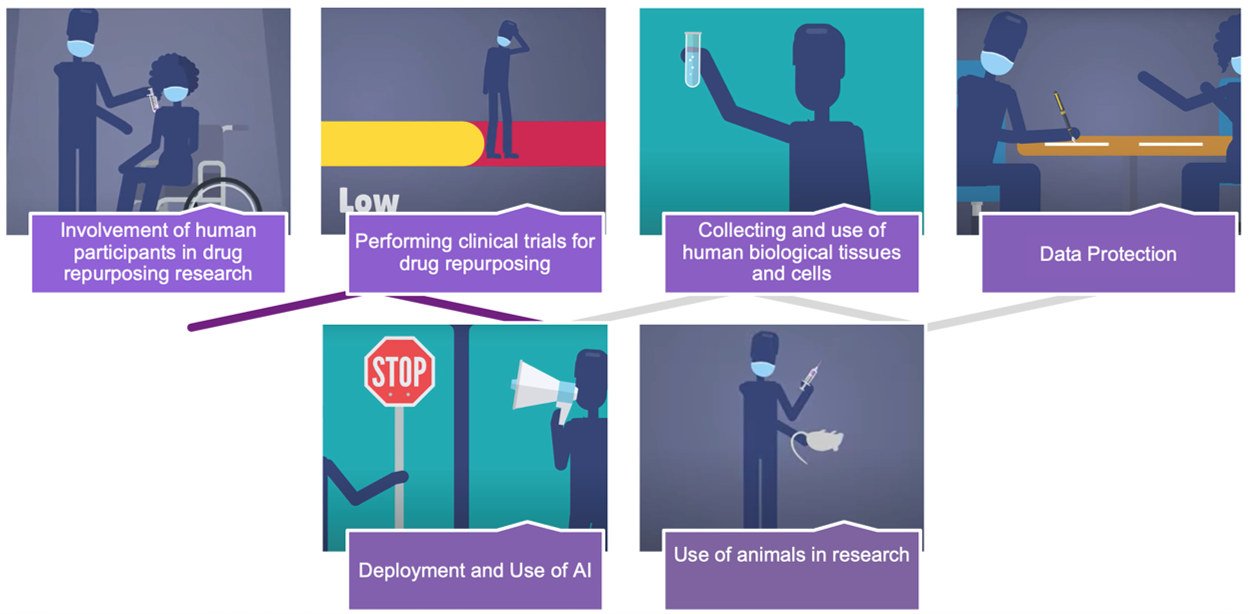
At REPO4EU, our core mission is to move beyond mere compliance. By establishing a robust ethical and privacy governance framework that underpins every facet of the project, we are championing an “Ethics by Design” and “Data Protection by Design” approach. In this way we ensure that our innovative drug repurposing solutions are developed and deployed with the highest standards of integrity, transparency, and respect for individual rights.
The road so far
Our journey: Bridging Science, Ethics and Policy
In a short timeframe, we have transitioned from conceptual planning to the delivery of critical milestones providing the solid groundwork necessary for the entire REPO4EU consortium to innovate with confidence.
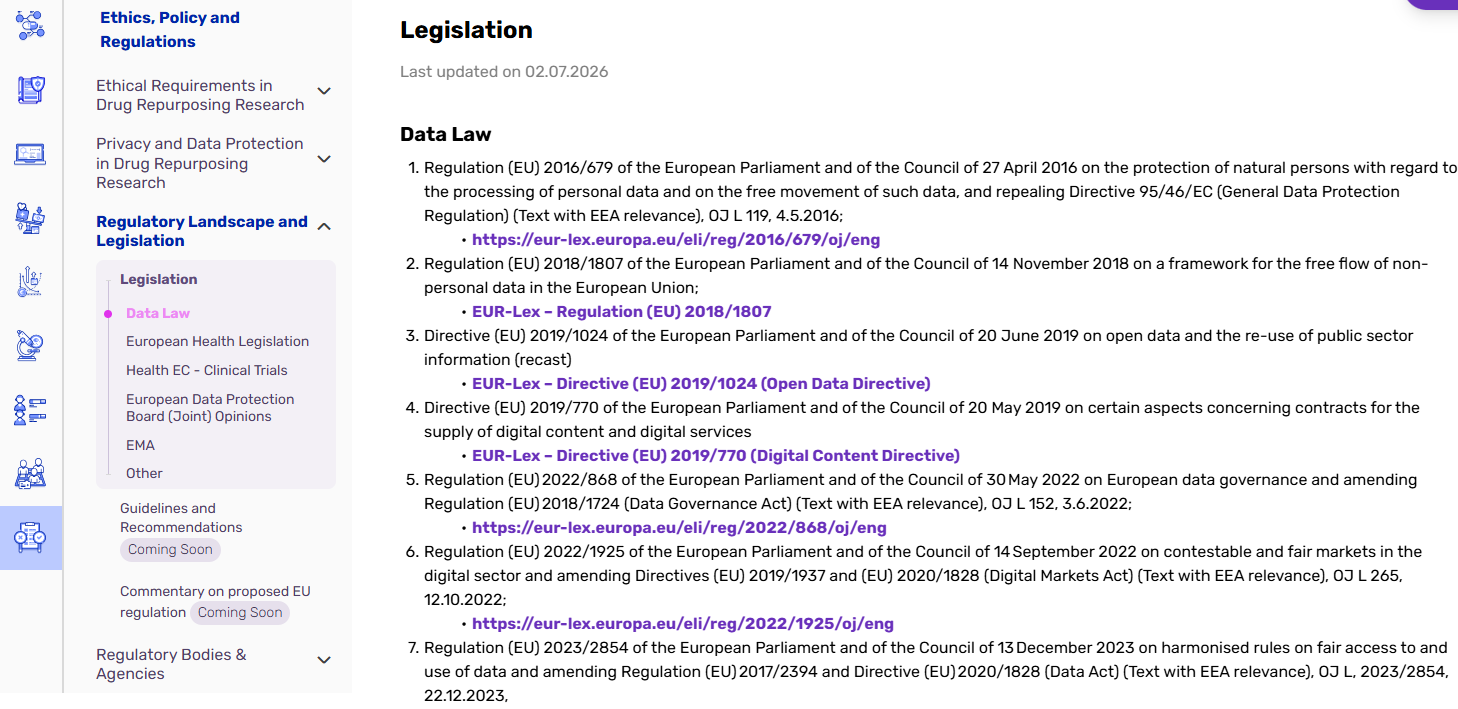
The cornerstone of our progress is the establishment of a robust ethical and privacy governance framework, ensuring compliance and fostering responsible innovation. Rather than treating ethics as an afterthought, we have integrated ethical values and data protection principles directly into the project’s DNA. This was achieved through a bespoke, three-step ethical and legal risk assessment methodology, which has now been systematically applied across all relevant work packages to identify and mitigate risks before they arise. Alongside, we have successfully streamlined the informed consent process by designing and refining highly readable, project-specific informed consent forms, ensuring participant decision-making capacity.
Our commitment to data protection is visible as we established robust data protection procedures with a strong focus on pseudonymisation for sensitive personal data, and ensured early integration of privacy by design principles into the REPO4EU platform’s technical architecture, resulting in secure data handling, appropriate access controls, and effective data minimization.
As the regulatory landscape evolves, so does REPO4EU. We have pioneered AI Regulatory Alignment by conducting preliminary analyses to ensure our AI algorithms harmonize with emerging regulations, such as the EU Medical Device Regulation (MDR) and the Artificial Intelligence Act (AIA). This proactive stance ensures innovative drug repurposing solutions remain viable in an increasingly regulated landscape.
Along this journey, fostering a culture of interdisciplinary collaboration has been our driving force. By bridging diverse national and disciplinary contexts, we have cultivated a flexible and insightful collaborative approach with strong focus on continuous dialogue and mutual education for effective ethical and legal framework implementation.
Looking ahead
A New Paradigm for Responsible Innovation in Drug Repurposing
In the high-stakes field of drug repurposing, science and responsibility must walk hand-in-hand. Thus, REPO4EU’s vision is to establish a new paradigm for responsible research and innovation. We envision a future where cutting-edge science and technology are effective, developed, and applied with unwavering commitment to ethical principles and data privacy – a synergy that maximizes patient benefit while fostering deep public trust in data-driven healthcare.
While we have made significant strides, our journey is far from over. The rapidly evolving regulatory landscape, particularly concerning AI and the European Health Data Space (EHDS), requires constant vigilance and agility. Yet, what excites us most is the transformative potential on the horizon: the ability to deliver precise, effective treatments to patients faster than ever before, all while setting a global gold standard for ethical conduct.
Our motivation remains clear: the continuous need for vigilance, ensuring that even amidst rapid innovation, our core values of ethics, transparency, and accountability remain paramount, consistently guiding every decision and every development to prevent unintended consequences and safeguard the well-being of individuals.
Behind the scenes
Meet the Ethics’ Architects
At the heart of REPO4EU lies a fascinating intersection where scientific innovation meets human values. Led by the University of Porto (UPORTO), our multidisciplinary team serves as the project’s ethical conscience.
UPORTO contributes years of expertise in research ethics and integrity, RI brings expertise in all legal areas regarding data and privacy protection and privacy by design, and UM leads specialized knowledge in patient recruitment technology. Collectively, the team’s solid academic and professional background empowers building an interdisciplinary foundation that enables grasping the complex scientific methodologies of REPO4EU while meticulously assessing their profound ethical implications.
By steering this strategic direction, we ensure that our “ethics and privacy by design” approach is consistently applied across all work packages, ultimately demonstrating that cutting-edge science can and must be done responsibly.
About our platform
Discover our platform and explore its key features
Become an early tester now!
Follow the link to sign up for our platform's beta release
Core insights – Developing an HTA framework to support value driven mechanism-based drug repurposing for patients, payers and society
Welcome to REPO4EU: Core insights
Our article series where we bring you closer to our project's core innovations and results.
Health Technology Assessment (HTA) and drug repurposing
A brief introduction
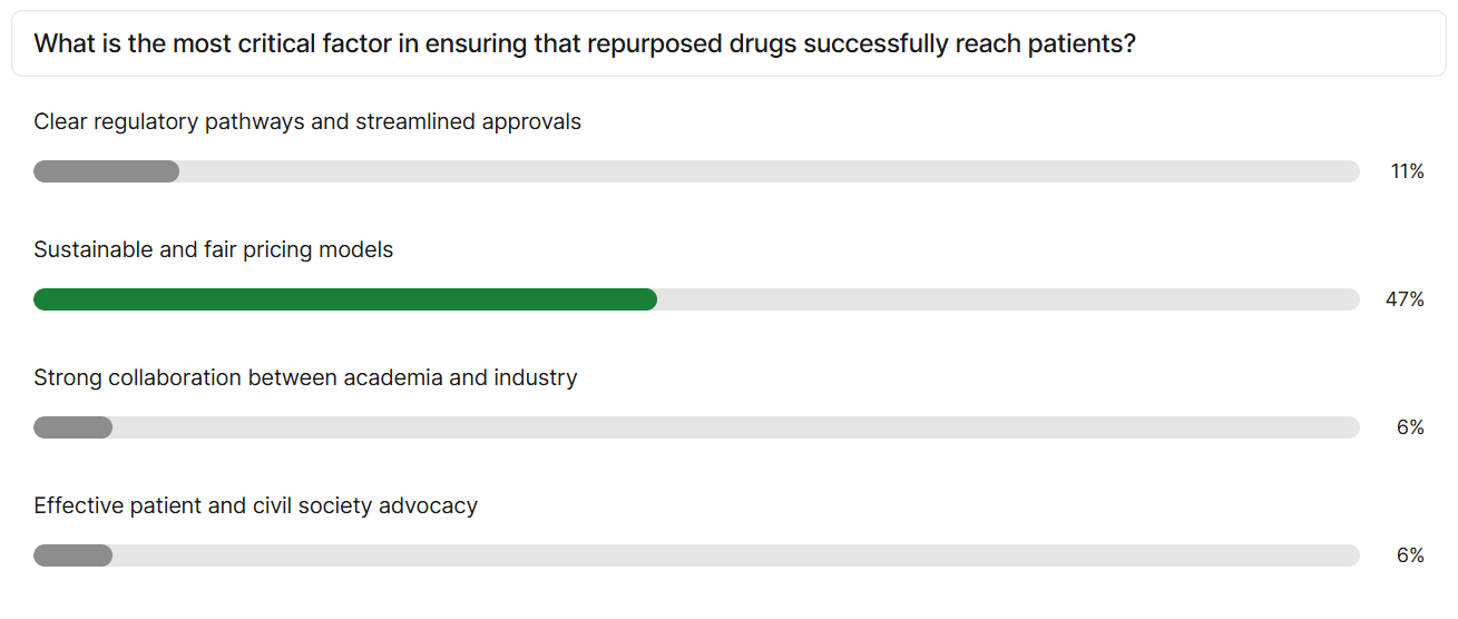
Drug repurposing holds a bold promise: delivering faster, more affordable treatments to patients with unmet medical needs. Yet, despite this immense potential, the uncertainty surrounding their value, pricing, reimbursement and complex regulatory pathways makes it so that many promising drug candidates never reach the patients.
This is where Health Technology Assessment (HTA) becomes a true value catalyst. HTA provides a holistic methodological framework for evaluating health innovations across their lifecycle, and guiding decision making on research priorities, pricing and reimbursement. In an era of rising healthcare costs and rapid technological innovation, HTA answers the most critical question: Which innovations truly deliver value? And it does so by assessing clinical benefits, cost-effectiveness, and real-world impact, using tools such as health economic modeling, patient-centered evidence, and stakeholder consultation.
Following this direction, one of our core goals in REPO4EU is to develop, test, and validate a comprehensive HTA framework specifically tailored to mechanism-based drug repurposing. By integrating the diverse perspectives of patients, carers, payers, manufacturers, regulators and society, we ensure that these therapies address unmet medical needs, deliver societal value, and contribute to the long-term sustainability of healthcare systems.
The road so far
The REPO4EU HTA framework
The HTA transformation envisioned within the REPO4EU project is well underway, with clear progress and tangible achievements demonstrating that when HTA is prioritized early, the pathway to the patient becomes clearer.
Preliminary results of an early health economic evaluation have been generated to demonstrate the potential societal value of innovative drug repurposing in treatment-resistant hypertension. By utilizing headroom analysis and exploratory scenarios, we showcased exactly how early value assessments can steer development decisions. Furthermore, we have successfully integrated HTA considerations into the very heart of the REPO4EU clinical trials. By co-designing trial protocols for REPO-HYPERII, REPO-DIPG, and REPO-THYROID, we ensure that economic data and patient-based evidence are captured from day one, aligning our data collection with future regulatory requirements.
Experts in HTA, clinical medicine, pre-clinical research, as well as regulatory stakeholders contributed to this effort, with the aim of identifying challenges and opportunities in mechanism‑based drug repurposing that have subsequently informed the refinement of our framework.
Recognizing that innovation cannot thrive in isolation, REPO4EU has also hosted two landmark policy events in Brussels. These engagements have brought together representatives from the European Commission, HTA bodies, regulators, payers, and patient groups, and successfully initiated a substantive dialogue on how repurposed drugs can be effectively integrated into European reimbursement systems. Discussions examined how current HTA processes, pricing mechanisms, and reimbursement frameworks influence the feasibility, evidence requirements, and long-term accessibility of repurposed medicines, particularly for off-patent products and indications not expected to offer generation of substantial revenue. Participants emphasized the need for early alignment between clinical evidence generation, HTA expectations, and payer needs, as well as the critical role of patient-centered and fair access models in supporting sustainable drug repurposing across Europe.
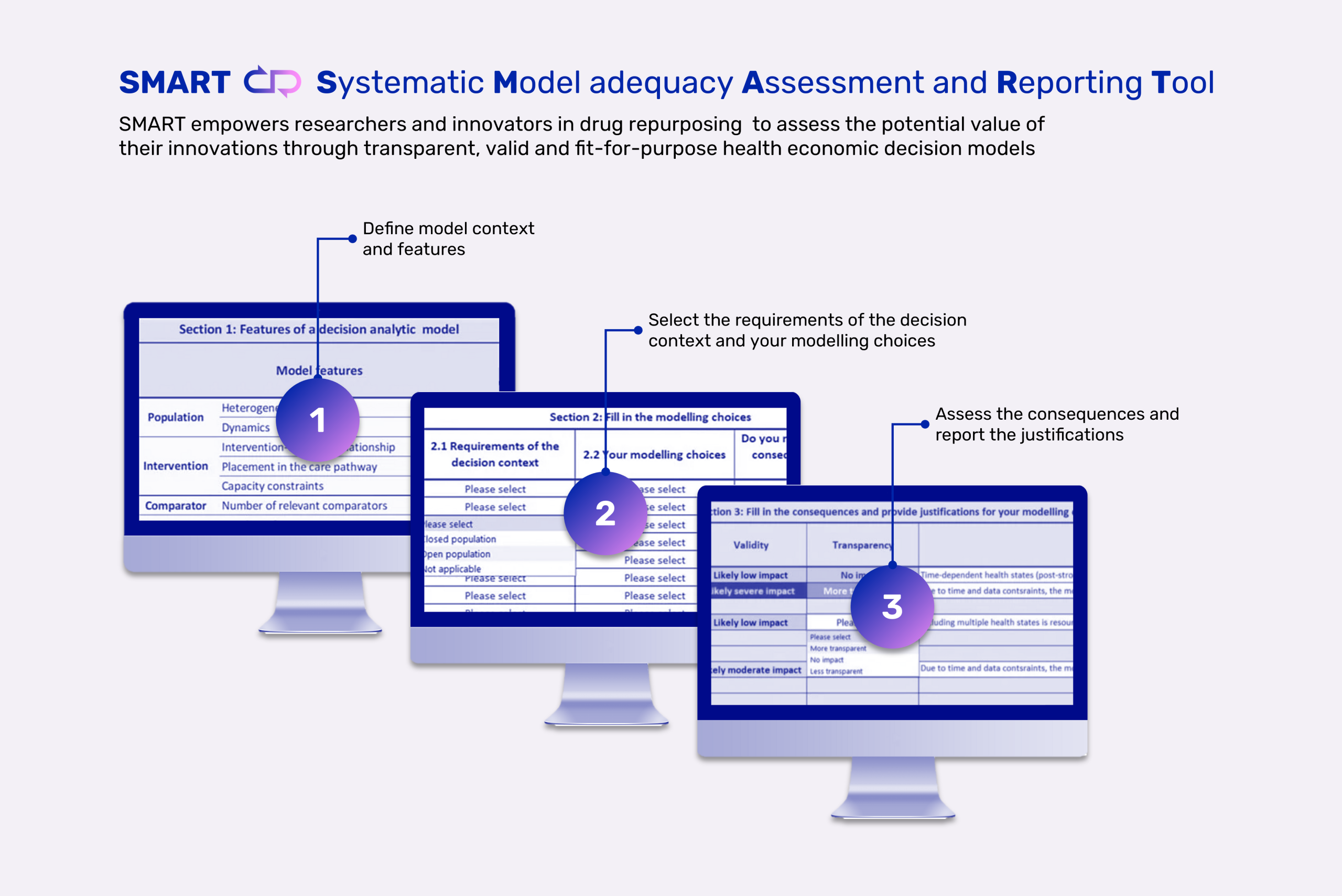
Beyond meaningful dialogue and scientific publications, REPO4EU is developing the practical tools needed to translate this HTA transformation into a tangible, next‑day drug repurposing reality. Within our platform, at the heart of the entire REPO4EU ecosystem, the first version of the HTA module is already available, and offers the following key features:
- Guidance and decision-support materials.
- A curated compendium of global HTA agencies, communities and guidelines.
- A ready-to-use health economic model template.
- The SMART Tool (Systematic Model adequacy Assessment and Reporting Tool).
Looking ahead
Transforming HTA into a Value Catalyst for Drug Repurposing
Mechanism-based drug repurposing can deliver cost-effective, high-value treatments, particularly in areas of unmet medical need and rare diseases. Yet the novelty of mechanism-based and network pharmacology approaches presents inherent challenges: it generates potential drug combinations and indication pairs that need to be prioritized, often involving small patient populations, limited evidence, and high uncertainty.
This challenge has become the driving force of our work to develop an HTA framework that is structured, accessible, and practical, combining methods, guidance, and policy recommendations tailored to the unique nature of mechanism-based drug repurposing. Our goal is to empower researchers and developers, even those without prior HTA expertise, to utilize HTA methods in making informed decisions early, assess return on investment (ROI) at acceptable prices, and generate meaningful evidence that matters to patients, payers, and regulators.
Continuous engagement with multidisciplinary stakeholders remains essential to ensure the ongoing optimization of our HTA methodologies and the integration of emerging recommendations and regulatory insights. Moving from theory to practice, we are actively testing and refining our framework through real-world pilot studies within REPO4EU, ensuring its relevance across diverse repurposing scenarios.
By embedding HTA into the very DNA of the development lifecycle, we aim to reduce uncertainty, generate robust evidence and ultimately ensure that promising repurposed drugs reach the patients who need them most.
Behind the scenes
Get to know our group of experts
Our multidisciplinary HTA team is led by Maastricht University Medical Center (MUMC+), leveraging their deep-seated leadership in health economic evaluation and HTA methodology across a wide range of clinical areas. MUMC+ provides the strategic and scientific direction necessary to turn complex qualitative research into actionable early value assessments.
This effort is powered by a network of partners from within the REPO4EU Consortium (Maastricht University, Brigham and Women’s Hospital/Program on Regulation, Therapeutics, And Law (PORTAL), H.M. Pharma Consultancy, IPSIS PACTIS, University of Porto, 3D-PharmXchange), each bringing a vital piece to the puzzle: preclinical models prioritization, network medicine and systems’ biology, cross-sectional integration of technology assessment, legal advisory and regulatory strategies, research ethics and drug development programs.
By working in a unified ecosystem, the team ensures a seamless delivery of results, paving the way for a more efficient and patient-centered future in drug repurposing.
About our platform
Discover our platform and explore its key features
Become an early tester now!
Follow the link to sign up for our platform's alpha release
Behind the REPO4EU Platform: In conversation with Egnosis
Béla Bihari, Balázs-Attila Orbán and Aranka Ravai-Nagy are part of the team at Egnosis, the Romanian IT company leading the development of the REPO4EU platform. Bringing together expertise in software engineering, business strategy and user experience design, they are responsible for transforming the project’s scientific vision into a digital ecosystem that supports the entire drug repurposing journey, from data exploration and decision support to collaboration and innovation.
Over the past three years, the Egnosis team has worked closely with researchers, clinicians and industry partners across the REPO4EU consortium to build a one-stop-shop platform for precision drug repurposing. In this interview, Béla, Balázs and Aranka discuss the collaborative process behind the platform’s development, the challenges of designing for a multidisciplinary scientific community, and their vision for a digital workspace that could help accelerate the future of drug repurposing in Europe and beyond.
From initial development to final delivery: Meet the team embarked on a 7-year journey
Can you tell us a bit about your backgrounds and your roles within REPO4EU?
Béla: My background is rooted in software engineering. I started my career as a developer in Munich, Germany, and gradually moved towards more strategic and leadership roles, particularly in collaborative and multidisciplinary environments. Today, I serve as General Manager of Egnosis, where I focus on bridging technology, innovation and real-world impact through large-scale European research initiatives.
Within REPO4EU, Egnosis leads the technological development of the platform. Our goal is to create a one-stop-shop digital infrastructure for precision drug repurposing. My role is to guide this vision strategically and operationally, ensuring that the platform truly supports researchers, clinicians and industry partners in transforming complex scientific knowledge into actionable insights.
Balázs: My background combines software engineering and economics, and over the past twenty-five years I have worked across many different sectors, from aviation and medical research to flower cultivation. While these industries may seem unrelated, I have found that the core challenge is always the same: understanding how people work and designing systems that help them work better.
In REPO4EU, I act as the interface between the consortium and the development team. My job is to translate scientific outputs into technical requirements, track the different resources and tools being developed across the project, and help shape the platform into a coherent and functional ecosystem.
Aranka: I am the UX/UI designer behind the platform. Although I am relatively new to scientific research, I bring more than fifteen years of experience working on industrial and commercial projects with international companies. My background is in design, where curiosity and openness to change have always guided my work. For me, research has always been part of the design process — not necessarily in a scientific sense, but in an experimental, human-centred and creative way. Building this platform has been a fascinating opportunity to connect those two worlds.
The development of the REPO4EU Platform began in 2023. What have been the main milestones so far?
Béla: The platform did not happen overnight. It is the result of a carefully structured, multi-year effort aligned with REPO4EU’s mission to create a sustainable ecosystem for drug repurposing.
The journey started in 2023 with concept definition, requirements gathering and extensive collaboration with consortium partners to understand real-world workflows and needs. In 2024, we moved into the design and architecture phase, focusing on scalability, interoperability and secure data handling.
The year 2025 marked a major milestone as we transitioned into full implementation and introduced the first alpha version of the platform. This initial release includes the core data hub, early AI integrations, curated databases and decision-support guides. We also unveiled the first version of the REPO AI Assistant, an intelligent assistant designed to guide users through their workflows.
Looking ahead, the beta version will be released in the autumn of 2026, with expanded bioinformatics tools, more advanced AI-driven analytics and an upgraded AI assistant based on Agentic AI architectures. The final production-ready version is planned for 2027.
What it takes to bring the REPO4EU Platform to life
In these past 3 years, what has Egnosis been working on behind the scenes?
Balázs: It has been a long and challenging process. We began by meeting with every work package to understand their contributions and identify the different user roles within the platform.
Because the scientific domain is highly specialised, we worked closely with scientific consultants who helped bridge the gap between research terminology and technical implementation. We analysed each deliverable in detail, organised multiple discussions with consortium partners and gradually transformed scientific ideas into concrete requirements, user features, databases and tools.
Only once these requirements were well defined could we move on to technical architecture, user experience design and implementation.
User experience seems to have been a major focus throughout this early development stage. Why is this such an important element?
Aranka: In my case, designing the user experience for this platform has been a unique challenge.
Unlike many digital products aimed at broad audiences, our users are scientists, researchers and industry professionals with very specific expectations and deep expertise. Drug repurposing itself is an incredibly complex process involving many stakeholders and specialised areas of knowledge.
Our mission is therefore much bigger than simply designing a tool. We are creating a workplace for the people shaping the future of medicine. It needs to be clear, comprehensive, easy to navigate and flexible enough to evolve as new knowledge and new users join the platform.
As we approach the beta release, we are still testing, refining and learning. We have built a flexible design system from the ground up, working closely with experts across different disciplines who have guided us throughout the process.
From Alpha to Beta – a process of continuous development and improvement
What have been some of the biggest technical challenges you've encountered so far?
Balázs: I often compare our role to that of a car manufacturer. The consortium provides many different components—the databases, tools and scientific outputs—and our job is to place everything under one coherent structure and ensure that all the pieces work together seamlessly.
The biggest challenge was building a technical foundation that is secure, scalable and flexible enough to support every feature we envisioned. Before writing any code, we invested a great deal of time researching technical solutions and validating how different components could interact with one another.
Once the foundations were in place, it became a matter of hard work and constant communication.
The alpha version of the platform is now available, and soon we'll be launching the beta version. What can users expect if they were to log in today?
Béla: The alpha release was actually not part of the original plan. We introduced it for two reasons: first, to validate the platform technically ahead of the beta release; and second, to increase awareness and encourage early engagement with the REPO4EU ecosystem.
Users can already explore an extensive knowledge base covering different aspects of drug repurposing, browse decision-support guides, interact with our AI Assistant, access curated scientific databases and experiment with integrated tools.
These include REPOscope, a prior-art knowledge base tailored to drug repurposing patents, as well as SMART, a decision-analytic model for health technology assessment. Users can also explore matchmaking features designed to foster new collaborations across disciplines.
Looking ahead...
What is next in your list of priorities for the platform?
Balázs: There is still a long list of exciting developments ahead. The platform will continue expanding with new scientific databases, including cell and animal models, preclinical studies, reformulation providers and endophenotype catalogues.
Our knowledge base and decision-support guides will grow, while new tools for clinical statistics and patient stratification will become available.
Perhaps most importantly, we are working towards creating stronger connections across domains. We want to break down the silo effect that often characterises biomedical research and enable specialists from different backgrounds to collaborate more easily and effectively.
Béla: That is really our long-term vision: not simply building a platform, but creating a living ecosystem that evolves together with the scientific community.
We want the REPO4EU platform to become a place where technology, medicine and innovation come together to accelerate discoveries and ultimately improve patients’ lives.
REPO4EU: The Podcast
Our podcast brings listeners closer to the latest innovations, research and developments happening in drug repurposing across the globe. The first season, ‘Drug Repurposing Next-Gen’, spotlights the work of PhD researchers, post-docs and young investigators involved in REPO4EU, exploring their role in the project as well as their career journeys. New episodes will be released monthly. Stay tuned for the next one!
Core insights – Cross-sectional systems integration for drug repurposing
Welcome to REPO4EU: Core insights
Our brand new article series where we bring you closer to our project's core innovations and results.
The strategic role of systems integration
A brief introduction
Why does systems integration play such a critical role in REPO4EU and the drug repurposing journey? Quite simply, it is the connecting tissue that ensures every specialized technology and mindset in the project fits together perfectly. By harmonizing diverse elements, we aim to create a comprehensive body of drug repurposing knowledge and workflows that can be seamlessly integrated into a unified Drug Repurposing Platform.
A foundational milestone in this process is the definition of Technology Readiness Levels (TRLs). These benchmarks allow comparisons among the development stages of otherwise disparate technologies. While bridging early scientific discovery with industrial feasibility is usually considered a challenge, establishing workflows to prioritize repurposing candidates can be the key to balance regulatory preparedness and patentability with reimbursement considerations and real‑world unmet medical needs. Ensuring CMC (Chemistry, Manufacturing, and Control) compliance is another essential pillar of our work. Here, specialized templates tailored to the unique regulatory requirements of drug repurposing help streamline the path toward clinical approval.
By connecting these elements, systems integration transforms a collection of standalone tools into a powerful, synchronized engine for drug repurposing acceleration.
The road so far
Scaling technology readiness, AI-powered intelligence and prioritization
At the project’s inception, we established a baseline TRL inventory to map the critical technologies available within the consortium. We have since taken this exercise a step further by projecting the specific TRL requirements needed to meet the platform’s rigorous standards. By extrapolating these interactions, we ensure that every technical component is seamlessly aligned with the platform’s final architecture.
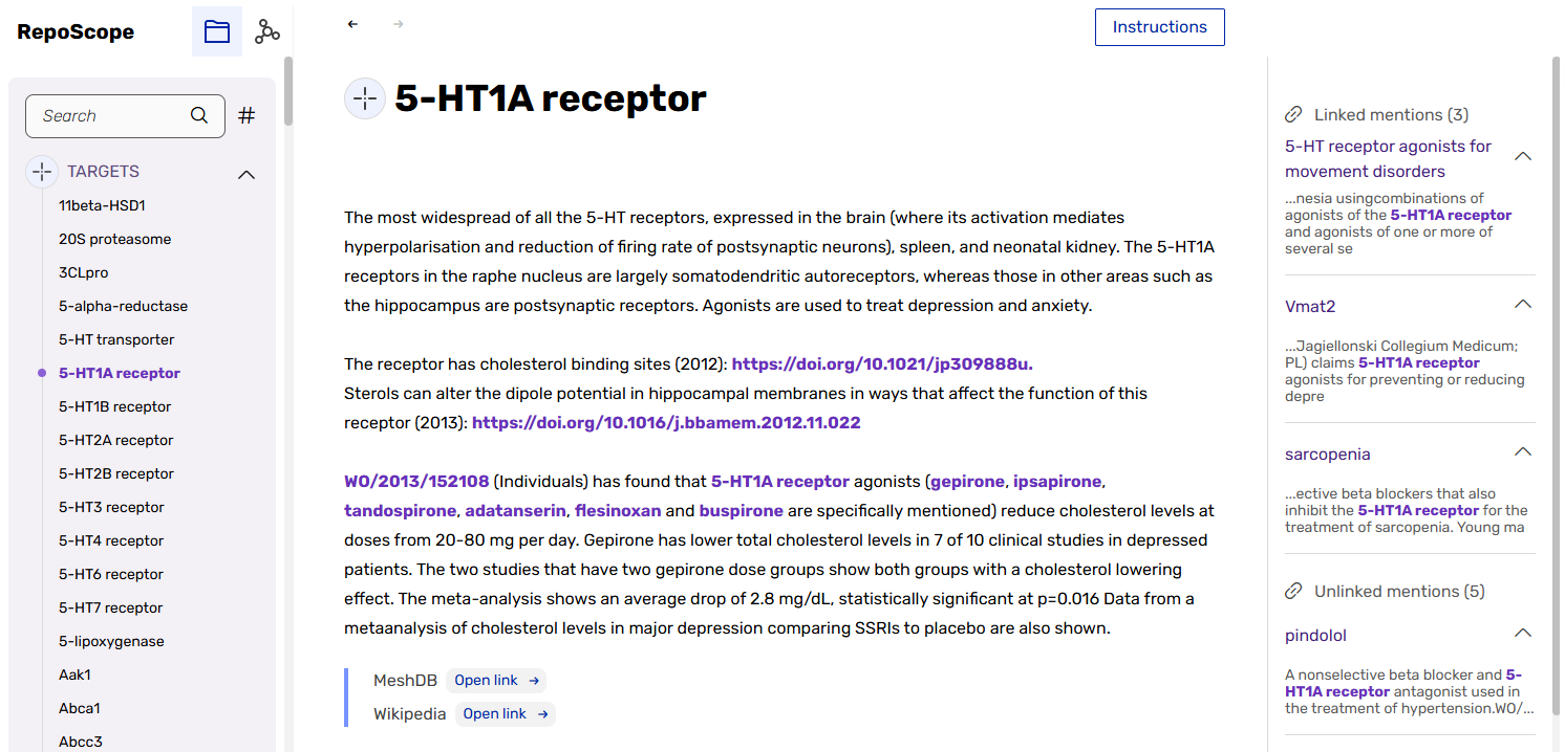
A major milestone has been the provisional integration of the hugely expanded version of the RepoScope knowledge base into the platform’s alpha version, with full integration slated for the beta release.
RepoScope is a database of patents, peer-reviewed papers, conference abstracts, and other scientific information related to drug repurposing. Within the REPO4EU drug repurposing framework, RepoScope serves as a prior art filter for prioritising candidate compounds, enabling users to make educated go/no-go project decisions in a pre-project stage based on what the scientific community has already published, and facilitating freedom-to-operate analyses and strategic patenting considerations.
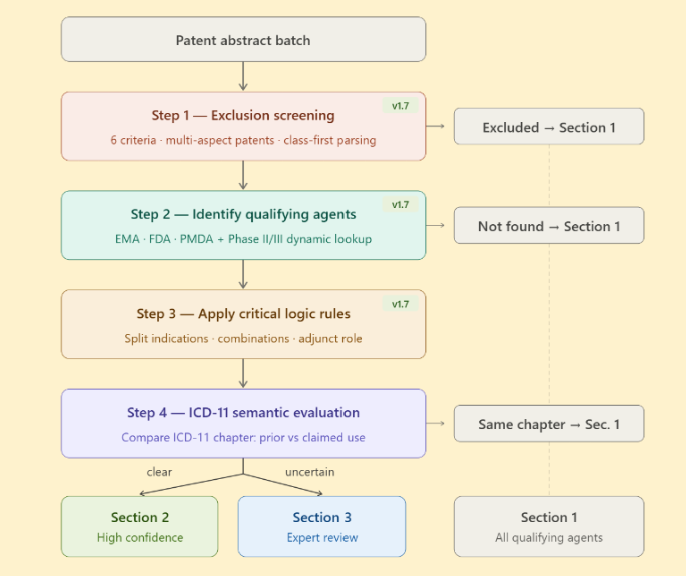
By early 2026, we solved a significant bottleneck: the overwhelming task of manually screening 300–500 life science patent applications per week. This is now handled by RepoDetect, an internal LLM-based screening tool that automates the process with such precision that only a few borderline cases require human review. This advancement ensures the long-term sustainability of RepoScope. Looking ahead, we are training RepoDetect to identify peer-review companion papers, i.e., journal articles already published by the inventors that elaborate on the subject of identified drug repurposing patent applications.
Additionally, meaningful work has been conducted towards building a Unified Prioritization Matrix. One may think of this as a multidimensional decision tree including :
- Multiple “Roots” (Entry Points) defined by the user’s specific repurposing strategy.
- A set of “Common Pathways” for development.
- “Branches” (Exit Points) tailored to the chosen objectives of the drug repurposing project.
To illustrate this in practice, we are developing fictional drug repurposing scenarios that demonstrate how the matrix steers a project from a scientific concept to a viable medical solution.
Looking ahead
Shaping a scalable and responsive infrastructure
Our guiding vision is to architect a scalable, responsive infrastructure that supports EU-wide health readiness and bridges the gap between laboratory discovery and patient care.
As artificial intelligence (AI) continues its rapid evolution, our role is to keep the REPO4EU Platform, the central hub of our drug repurposing infrastructure, at the absolute cutting edge of integrated technology. Because we aren’t just building a static tool; we are cultivating a living ecosystem that adapts to the shifting pulse of modern medicine and technology. Our next milestone is to develop advanced AI support on establishing links to the peer-reviewed paper sphere of drug repurposing.
However, this forward-looking mission is not without its hurdles. While AI has automated much of our screening, the scientifically meaningful abstraction of identified repurposing patent documents and the precise tagging of named entities remains a challenge. Therefore, building a comprehensive knowledge graph of the repurposing patentome requires moving beyond the RepoDetect approach.
As the project’s connective tissue, systems integration demands continuous monitoring of both internal progress and global developments across relevant fields. There is no shortcut for this level of vigilance. It is a fundamental requirement that is as demanding as it is rewarding. Through this ongoing integration effort, we ensure the transformation of fragmented research into a unified, future-proofed engine for drug repurposing.
Behind the scenes
Meet our team of experts
The systems integration pillar is led by HMPC, who is dedicated to bridging the gap between high-level research and clinical readiness. Their work is pivotal in assessing TRLs, developing robust prioritization matrices, and establishing gold-standard CMC documentation guidelines. Beyond technical frameworks, this ensures the project’s resilience by integrating the REPO4EU platform into broader EU health emergency preparedness plans.
With over 25 years of experience spanning both academic research and the corporate pharmaceutical industry, HMPC provides a sophisticated, big-picture perspective. Working closely with the Egnosis and ScienceOpen teams, its leadership ensures an overarching provision of tools and services that harmonizes contributions from our multidisciplinary team of experts, all converging toward a single goal: accelerating drug repurposing.
About our platform
Discover our platform and explore its key features
Become an early tester now!
Follow the link to sign up for our platform's alpha release

Behind the REPO4EU Platform: In conversation with Harald Schmidt (Maastricht University)
Harald Schmidt is a renowned physician, pharmacist and scientific strategist and is one of the leading voices in systems medicine and precision diagnostics. He’s a professor emeritus at Maastricht University, where he acted as a chair of the pharmacology department, and he’s the author of ‘The end of medicine as we know it – and why your health has a future’, where he proposes concrete steps to completely redesign our perception of diseases and how they are treated.
Harald is also a known advocate for mechanism based drug repurposing, a topic he has brought to the forefront of global discussions on medicine and pharmacology as a project coordinator for REPO4EU, the EU-funded initiative that aims to demonstrate Europe’s role as the leader of repurposing efforts amongst the drug innovation arena. In this interview, Harald discusses the ambition behind REPO4EU to build a platform for the global drug repurposing community and how these efforts have the potential to change the future of medicine.
The mission fuelling REPO4EU
Harald, as the coordinator of REPO4EU, can you explain what the core goal of the project is?
Technically, REPO4EU is the response to a funding call from the European Commission to foster drug repurposing across Europe.
Drug repurposing means that instead of developing entirely new drugs, we use medicines that are already on the market and find new uses for them. This has been happening for decades, but usually quite serendipitously; our goal is to make this process much more precise and systematic.
The real innovation of REPO4EU is in how we approach this. We want to fundamentally redefine what we currently call a disease. Most diseases today — except for infectious diseases or some rare diseases caused by a single gene — are defined simply by describing a symptom in an organ. Hypertension, asthma, psoriasis, inflammatory bowel syndrome… these sound like precise disease definitions, but they are really just descriptions of symptoms.
As a result, many therapies are imprecise. Not every patient taking the same medication will experience the same benefit, and this also contributes to the high failure rate in drug discovery.
What we introduce instead are predominantly genetically defined disease definitions, more similar to how rare diseases are approached. This allows us to identify much more precise treatment strategies and opens enormous potential for repurposing existing drugs — not only for their original target, but for completely different disease mechanisms.
Because these drugs are already approved, we already know most of their side effects, and we can skip long discovery and preclinical development stages. That means the process is faster, cheaper, and often much more efficient.
What does coordinating such a large initiative actually involve?
Operationally, my role as a coordinator is making sure this unusually large project — with 27 partners and a €25 million budget — moves in the right direction and that all the different pieces come together successfully.
The real advantage of having such a large consortium is that it allows us to bring together the best people across Europe. What we are doing goes far beyond the initial scientific discovery.
In medicine, we currently face what is often called the “valley of death” — a huge gap between basic research and actual patient benefit. We produce enormous amounts of academic research, but very little of it reaches patients in the form of better diagnostics, therapies or prevention strategies. One major reason is that academic success is still measured mostly by publications and grant income, not by whether your work improves patient outcomes.
REPO4EU tries to bridge that gap. We make sure that from the very beginning, researchers are thinking not only about scientific discovery, but also about patents, regulation, clinical validation, market access and reimbursement. We want researchers to think early about whether their discovery can realistically become something that benefits patients.
That requires bringing together experts from many different areas — science, ethics, regulation, business, intellectual property and healthcare systems. No single person can solve this alone.
Building a one-stop shop for the drug repurposing community
One of the core outputs of the project is the REPO4EU platform. Why is this platform needed, and what makes it so important?
The REPO4EU platform exists because we believe what we are doing will shape the future of medicine.
Rather than waiting for our clinical results to slowly spread through the academic world, we wanted to provide all the tools, guidelines and workflows directly to researchers so they can apply these methods themselves.
One of our biggest achievements is in bioinformatics. Traditionally, to work with bioinformatics, you needed to be a bioinformatician — someone who could code and use highly specialised software. We wanted to create something that the average biomedical scientist could use without needing that expertise. That required a lot of work because bioinformaticians and biomedical scientists often speak almost different languages.
We now have a very strong tool called drugst.one that makes this possible. Instead of generating a long list of 100 possible drug candidates, we aim for extreme precision — ideally narrowing it down to just two or three highly relevant options.
Beyond that, the platform integrates everything needed for the full translational process: preclinical validation, access to human cell models, clinical trial design, patent strategy, regulatory guidance, reimbursement planning and health technology assessment. It’s not just a collection of links or tools — it’s a fully integrated online workspace that guides researchers through the entire journey from idea to patient impact. And importantly, it can be used globally, not just in Europe.
Why is an interdisciplinary approach needed to develop this platform?
Nobody in this project works in isolation. You cannot simply sit in your office, do some bioinformatics, and hand the results over to someone else. The process is highly iterative and requires constant dialogue between teams.
For example, after bioinformatics predictions are made, we immediately need discussions around preclinical validation. Can we validate using human cell models? Do we need animal models? Is it safe enough to move directly into clinical trials?
At the same time, we apply an ethics by design approach. We do not want ethics to be something that is considered at the very end, just before a clinical trial starts. Ethics should be part of the process from day one. The very first question should be: is there really an unmet patient need? Does this approach genuinely benefit patients? Are the risks acceptable? If the answer is no, then there is no reason to continue with further experiments.
Likewise, patent strategy and commercial viability must be considered early. If something cannot realistically be developed into a therapy, then even excellent scientific results may end up as a translational dead end.
Everything we do is built around one central goal: not papers, but patients.
Looking ahead — enhancing the platform’s capabilities
The beta version of the platform will be released in the autumn of 2026. What do you expect from this milestone?
Two things. First, that the platform truly works — that it can reliably guide discoveries toward real patient impact; and second, that it is widely used by scientists, clinicians, biotech companies and industry partners.
The goal is scale. We want to accelerate innovation in diagnosis, treatment and prevention as quickly as possible.
Drug repurposing is only one part of this. Precision prevention is another major area. If we can better define disease risk, we can also provide much more personalised prevention strategies, reducing the need for treatment later on. In many cases, lifestyle interventions may be enough if they are tailored precisely enough. Only in a smaller percentage of cases would drugs be needed. So this is really a broader shift toward precision medicine as a whole.
Right now, we are preparing both alpha and beta testing phases of the platform, and feedback is incredibly important. We invite researchers, clinicians and other stakeholders to register via this link, so they can test the platform and tell us what works and what needs improvement.
Finally, who do you envision will be using the platform once it is fully launched?
A very broad range of stakeholders!
Bioinformaticians may want to better understand what happens after the computational predictions. Biomedical scientists can use the tools directly. Biotech companies, pharmaceutical companies, regulators, health technology assessors — they all have a role to play.
Even patient organisations are very important for us. While we do not make specific recommendations for individual patients, we absolutely want patient groups to engage with us and help shape the process.
I think everyone involved in healthcare innovation can benefit from looking a little outside their own silo and understanding how the whole system works. That is exactly what REPO4EU is trying to build.
REPO4EU: The Podcast
Our podcast brings listeners closer to the latest innovations, research and developments happening in drug repurposing across the globe. In the second season, ‘Platform Conversations’, we're exploring the process of building an online platform that will bring everything to do with drug repurposing under one roof — made in Europe with global reach. We will hear form the experts involved in making this ambition a reality.
Core insights – Pre-clinical validation of scientific questions
Welcome to REPO4EU: Core insights
Our brand new article series where we bring you closer to our project's core innovations and results.
Preclinical validation
A brief introduction
In the pharmaceutical world, clinical trials play the role of the ultimate “reality check”. However, they are incredibly expensive, time-consuming and involve the most precious variable of all: human lives. Thus, de-risking the path to clinical phase via effective pre-clinical validation lies at the heart of REPO4EU’s ambition.
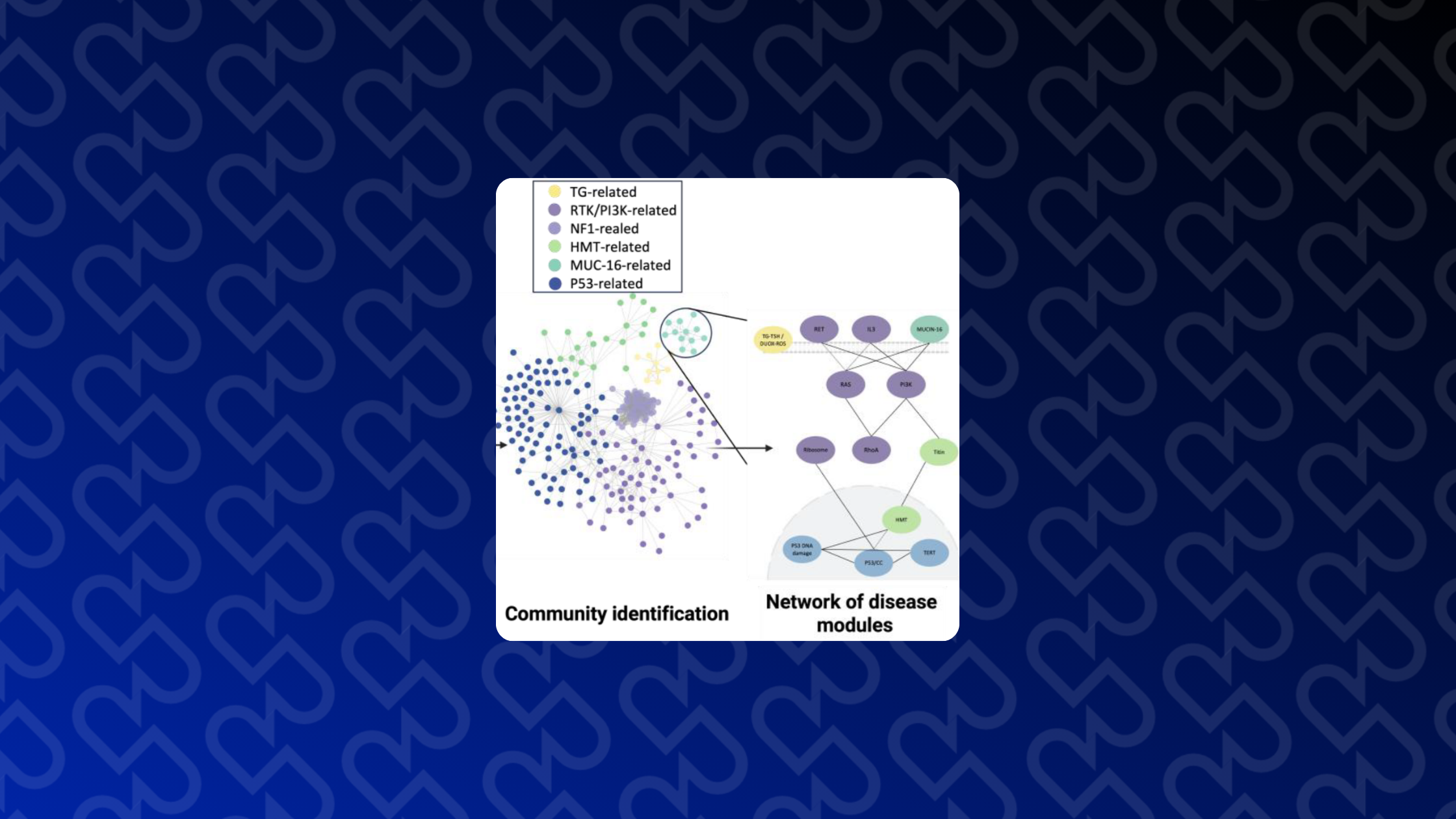
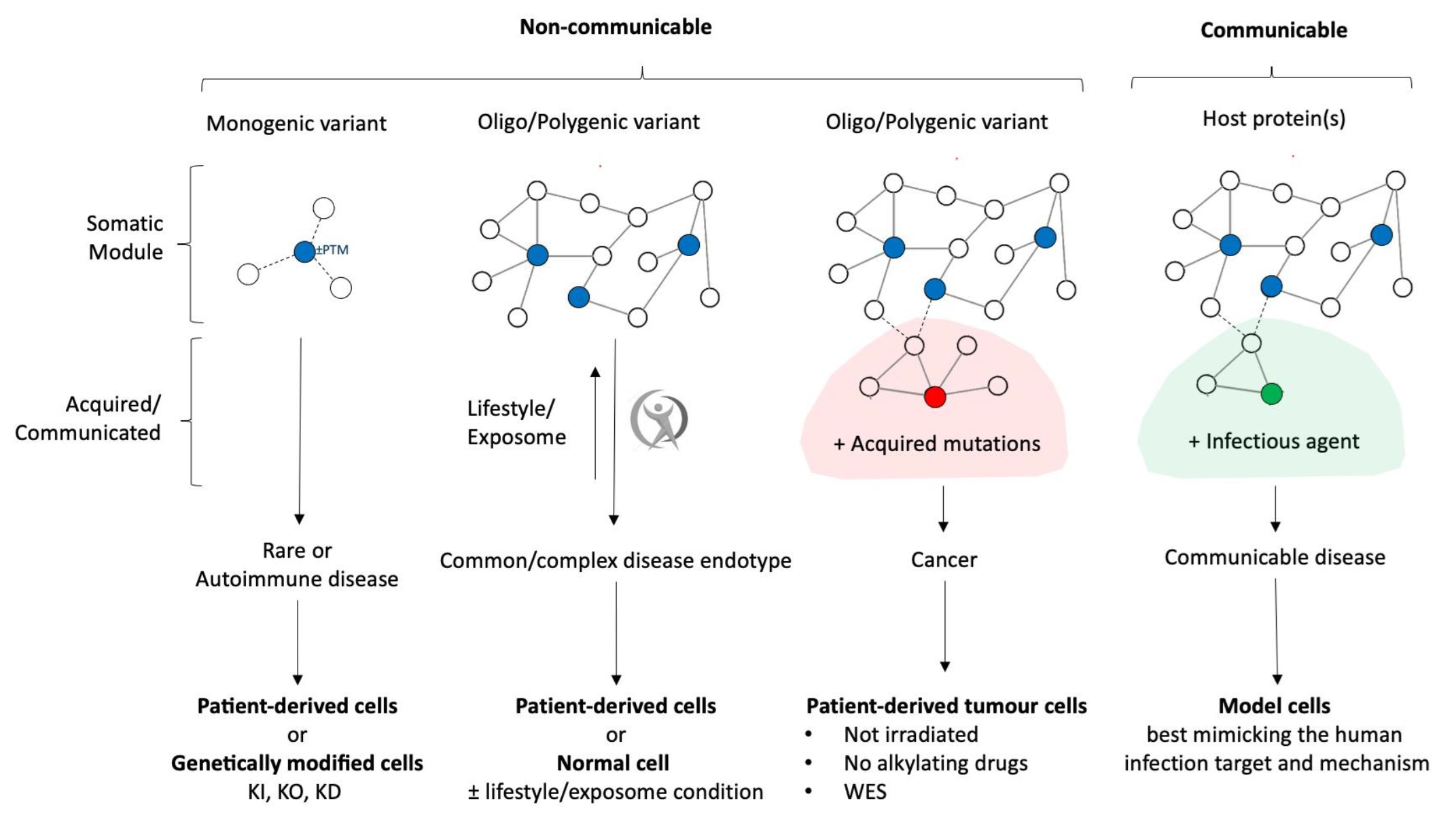
Within the REPO4EU project, we aim to secure a massive head start for all repurposing projects by providing robust validation of the preclinical hypotheses, generated through advanced bioinformatics, in silico-based target identification, and computational drug predictions. Preclinical validation moves a prediction into living systems, and this exact bridge between computational approaches and mechanistically relevant cellular and animal models, which mimic human disease endotypes, ensures a strong scientific foundation for each drug candidate.
Our goal is to identify the most promising drug repurposing opportunities and ensure that only rigorously validated candidates advance to clinical stages. This approach builds a more precise, safer, and faster highway, accelerating the path from computational discovery to real-world therapeutic impact, while also prioritizing patient safety.
The road so far
From digital blueprints to validated biological evidence
REPO4EU envisions a future where drug repurposing evolves into a precise, mechanism-driven discipline, firmly based on validated biological evidence. The progress achieved so far through database development, validation pilots, and methodological guidelines, directly supports this vision.
One of our most significant milestones to date is the development of a comprehensive open-access, user-friendly database of cellular and animal disease models, specifically designed to capture the ones with the highest translational potential. This resource acts as a “compass” for researchers, helping them to pinpoint the most appropriate models for validating computational predictions. By strengthening the bridge between in silico predictions and experimental testing, we ensure that the transition is both seamless and scientifically sound.
To demonstrate the power of our approach, REPO4EU has launched validation pilots in three high-stakes medical areas: thyroid cancer, diffuse pontine glioma (DIPG), and infectious diseases. These pilots serve as an essential testing phase providing clinically relevant proof-of-concept studies on repurposing hypotheses before moving to the clinical trials.
Beyond data and testing, we have also developed methodological guidelines for identifying the most appropriate disease models (both cellular and animal), selecting promising repurposable drug candidates, and defining the rationale for combination therapy strategies using a network‑pharmacology approach. Fostering a culture of collaboration, transparency and FAIR (Findable, Accessible, Interoperable and Reusable) data that accelerates the translation of preclinical findings into life-saving clinical scenarios, the guidelines will be made openly accessible to the global scientific community.
Looking ahead
Towards a robust preclinical validation framework
REPO4EU’s commitment to a transformed medical landscape remains the primary force guiding our work. By systematically connecting bioinformatic predictions with clinically relevant models, we are laying the groundwork for an open-access and scientifically rigorous pipeline. Within our platform, the flagship output of our project, stakeholders will be able to access validated tools, disease models, and decision‑making frameworks that bridge the critical gap between computational discovery and clinical application.
Through this infrastructure, we ensure that repurposing strategies are not only innovative but also precise, reproducible, and ready for regulatory consideration. We are redefining the standards for preclinical validation across Europe and beyond, moving away from fragmented research toward a unified, transparent ecosystem.
And we remain laser–focused on our long-term vision, where drug repurposing accelerates therapeutic development, reduces costs, mitigates risks, and ultimately delivers patient-centered solutions to some of the most pressing health challenges worldwide.
Building on the significant progress achieved so far, we embrace the work required to maximize translational impact as an opportunity for further growth and innovation. Maintaining the translational relevance of disease models and ensuring that cell and animal systems reflect the complexity and diversity of human disease, remains one of our central scientific imperatives. Equally important is the integration of heterogeneous data sources, from computational predictions and preclinical models to clinical datasets, which calls for advanced frameworks for harmonization and interpretation. Another crucial step toward enabling downstream clinical validation is effectively aligning methodologies with regulatory requirements.
Beyond these structural challenges, the scientific landscape itself is constantly evolving. Advances in disease endotyping and in our understanding of drug mechanisms demand ongoing methodological refinement to ensure that preclinical strategies remain up to date and clinically meaningful. Addressing these challenges will be essential to ensure we continue delivering robust, safe, and translatable outcomes that advance the goals of REPO4EU.
Behind the scenes
Meet our multidisciplinary experts’ alliance
The strength of REPO4EU lies in its collaborative engine bringing together diverse expertise to transform computational theories into clinical realities.
Our preclinical validation team, led by Maastricht University, leverages their leading expertise and long-standing experience in preclinical experimentation and animal models to drive reliable validation of drug repurposing candidates. RUMC and UZH contribute specialized knowledge in thyroid cancer and DIPG, providing both animal models and clinical insights that support scientific translation. UHAM contributes essential expertise in viral infectious disease models, while BioLizard ensures methodological statistical rigor to support reliable results. To bridge preclinical data with clinical application, HMPC and 3DPX play a key role in supporting the clinical translation of findings. Finally, GeneSurge is responsible for integrating complex datasets and guiding scientific decision-making.
Collectively, we form a multidisciplinary framework that ensures evidence-based progression of drug candidates.
About our platform
Discover our platform and explore its key features
Become an early tester now!
Follow the link to sign up for our platform's alpha release
Core insights - Transforming drug repurposing through real-world data-driven Artificial Intelligence
Welcome to REPO4EU: Core insights
Our brand new article series where we bring you closer to our project's core innovations and results.
What is real-world data-driven Artificial Intelligence?
A brief introduction
Artificial Intelligence (AI) has undeniably emerged as the definitive revolution of our era, fundamentally reshaping the global landscape by collapsing the distance between human intent and execution. Within the REPO4EU project, AI is far more than a buzzword; it represents a profound paradigm shift. By synergizing AI with systems biology and network pharmacology, we aim to move beyond symptom-based treatments to redefine diseases through mechanism-based endotypes, generating robust, data-driven hypotheses for drug repurposing.
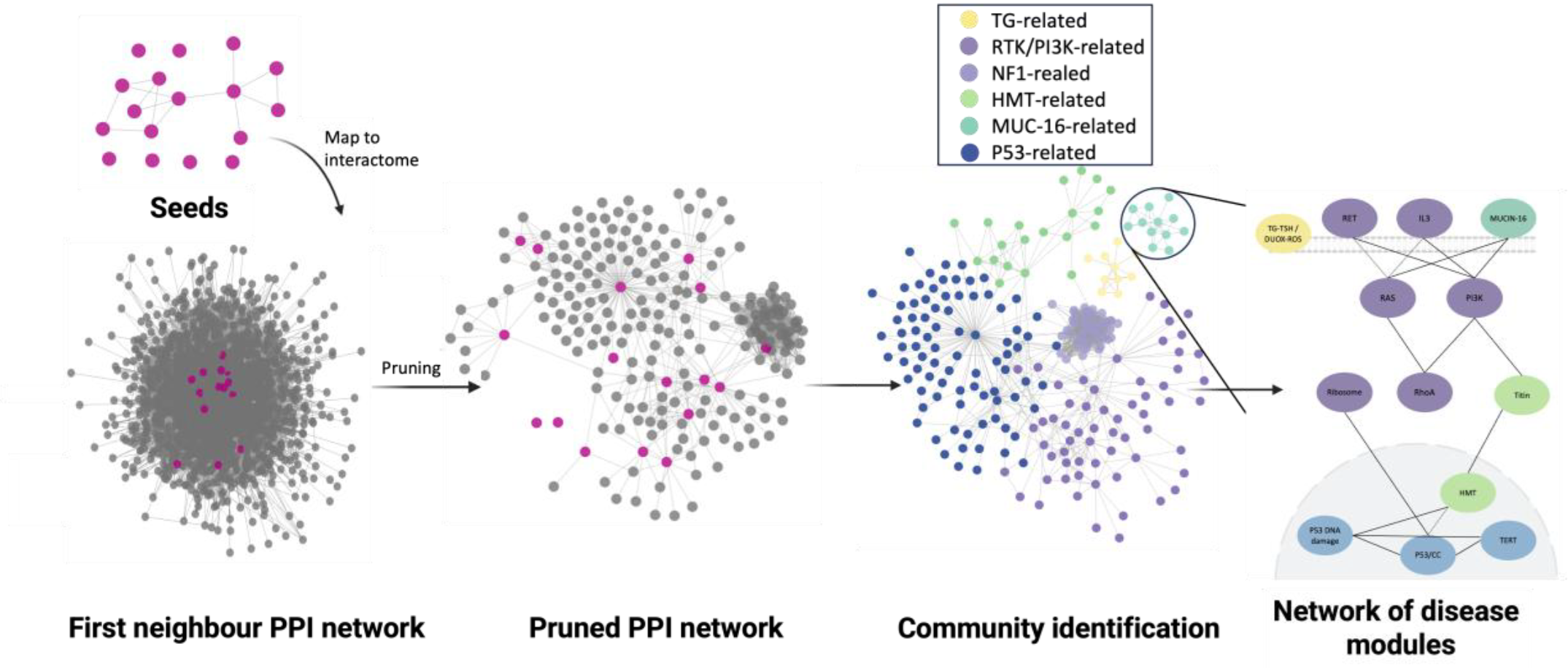
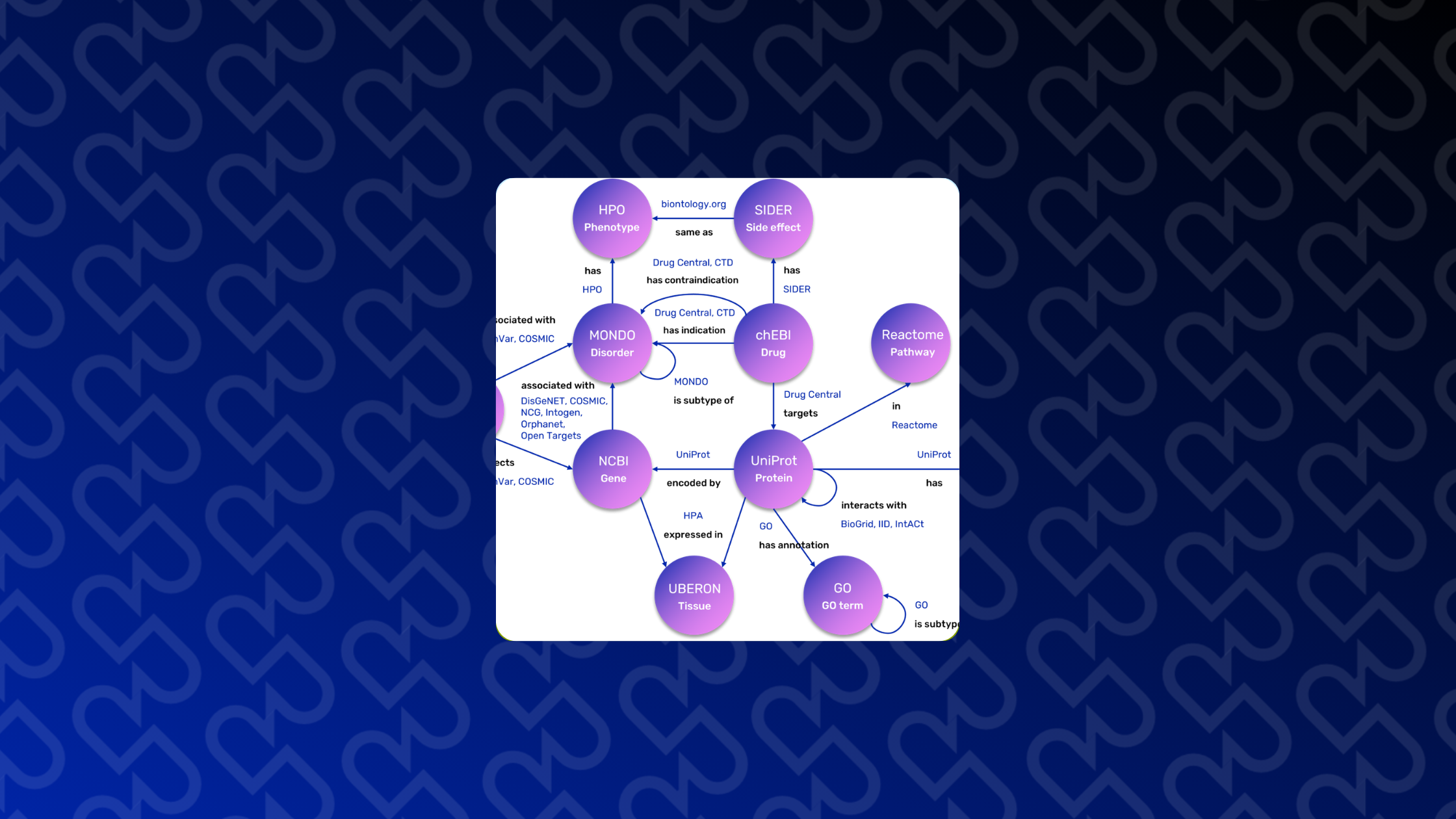
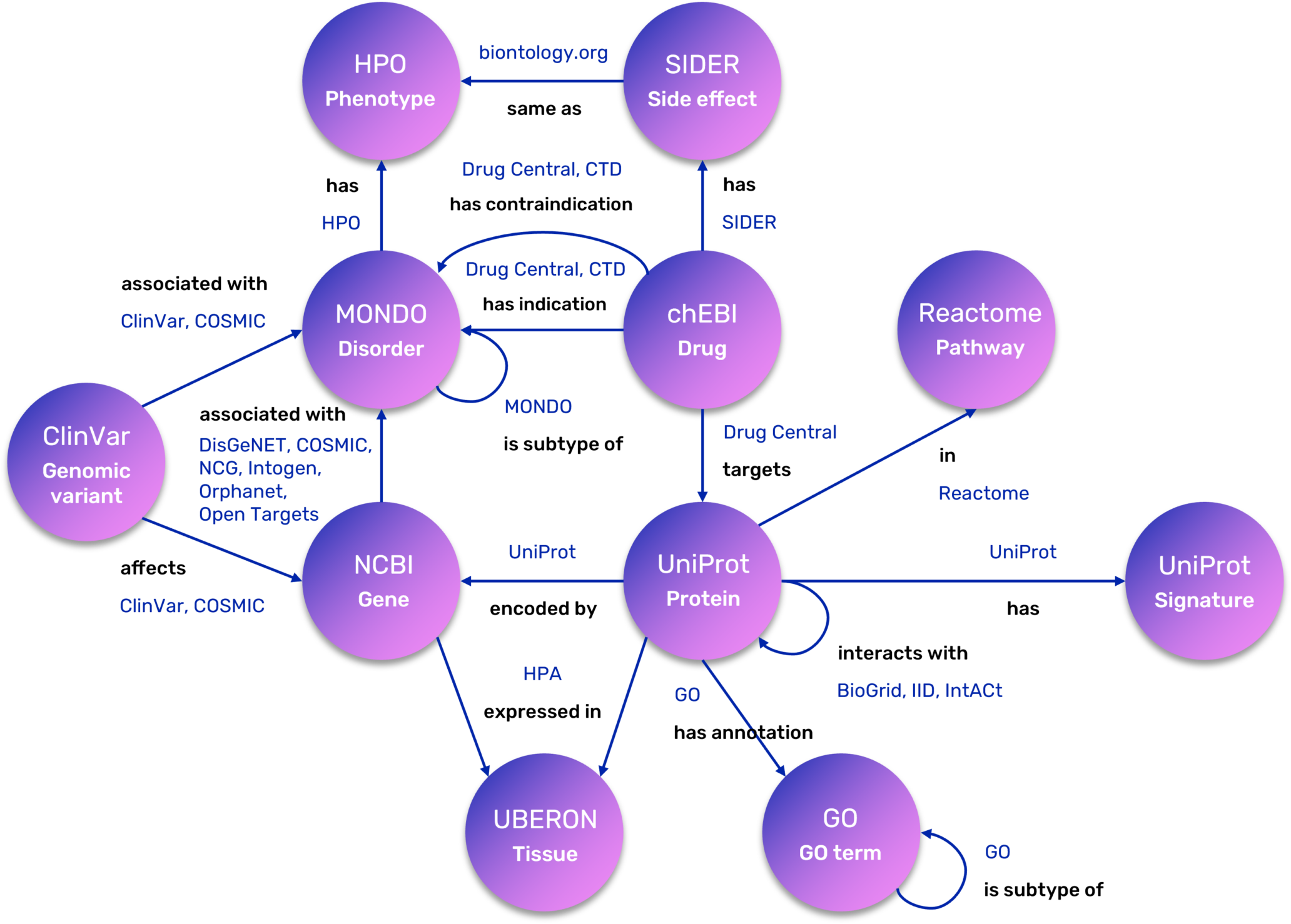
The complexity of this field requires the seamless integration of vast, heterogeneous data: from drug targets’ information, signaling pathways and protein-protein interactions to gene-disease associations, gene expression, and adverse drug effects. Consequently, REPO4EU is developing a comprehensive knowledge base aiming to bring these diverse data sources together into a harmonized, interoperable framework that supports downstream analyses and decision-making. This framework serves as the foundation for uncovering the molecular mechanisms of diseases and identifying promising drug targets and compounds for repurposing. These hypotheses are further refined through advanced in- silico workflows and subsequently validated in pre-clinical and clinical studies.
The road so far
Towards a robust repurposing framework powered by AI
A key achievement of the REPO4EU project is the expansion of the NeDRex database, which serves as our foundational knowledge base and is an integral part of the REPO4EU platform. This extensive, continuously updated resource provides the structural backbone for downstream analyses. To ensure our framework remains at the cutting edge of computational drug repurposing, we carried out an extensive literature collection, review, and categorization, now maintained and expanded through automated search queries and specialized AI-driven tools.
Building upon this data-rich foundation, we have developed a sophisticated suite of computational workflows and software tools, which includes:
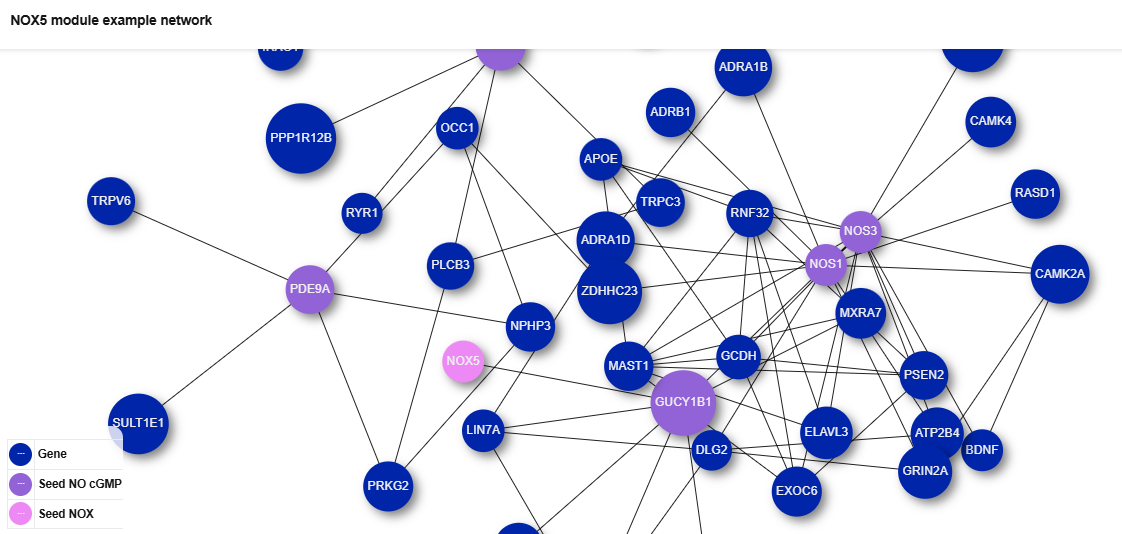
- A fully automated pipeline for disease module inference and drug repurposing hypothesis generation.
- A dedicated chemoinformatics pipeline.
- A tool for selecting high-confidence, disease-associated gene sets
- A drug repurposing tool leveraging Graph Neural Networks (GNNs), as well as a web-based application for refining and exploring putative disease mechanisms.
Collectively, these advancements empower a continuous cycle of discovery, enabling the generation of high-precision drug repurposing hypotheses that are systematically refined and validated through a rigorous integration of computational and experimental evidence.
Looking ahead
Envisioning new industry standards
As we move forward, REPO4EU remains committed to a vision where AI and bioinformatics are not merely experimental additions but foundational pillars of the drug development pipeline. Our ultimate goal is to embed these technologies into the industry standard, enabling the identification and validation of mechanism-based, patient-tailored therapies with unprecedented speed and accuracy.
However, the path to a standardized model is defined by its challenges as much as its opportunities. Mechanistic drug repurposing is inherently complex, requiring a sophisticated interdisciplinary blend of expertise, advanced computational methods, and access to high-quality, diverse datasets. To generate meaningful in-silico hypotheses, we must maintain access to high-quality, diverse, and harmonized datasets —a task made more difficult by the fact that disease mechanisms and patient responses are highly idiosyncratic. Furthermore, the rapid evolution of the AI field demands constant iteration and requires constant adaptation of our tools and methods. Critically, while AI acts as a powerful catalyst for discovery, it should not become a replacement for human expertise, but a collaborative tool that augments the researcher’s ability to navigate the biological maze instead.
To overcome the challenges and stay true to our vision, we must and will continue refining our tools and workflows and foster collaboration across disciplines, to ensure that precision drug repurposing evolves from a specialized research effort into a routine, life-saving component of global clinical innovation.
Behind the scenes
Meet our Experts’ team
A multidisciplinary powerhouse of academic, clinical, and industry partners (STALICLA, University of Hamburg, University of Vienna, Brigham and Women’s Hospital, Technical University of Madrid, BioLizard, Maastricht University, Radboud University Medical Center, University of Zurich), led by the Technical University of Munich, contributes specialized expertise to the development of the REPO4EU AI-driven repurposing framework.
By integrating foundational data with specialized expertise in patient stratification and chemoinformatics, infectious diseases, and rare disease mechanisms, we transform fragmented information into actionable medical intelligence. This synergy is further sharpened by advanced in-silico validation and clinical endotyping, ensuring every hypothesis is grounded in real-world plausibility.
Together, we form a cohesive ecosystem dedicated to bridge computational modeling, clinical insight, and translational application towards a new life-saving era for patients.
About our platform
Discover our platform and explore its key features
Become an early tester now!
Follow the link to sign up for our platform's alpha release
RExPO25: The 4th International Conference on Systems Medicine, AI & Drug Repurposing
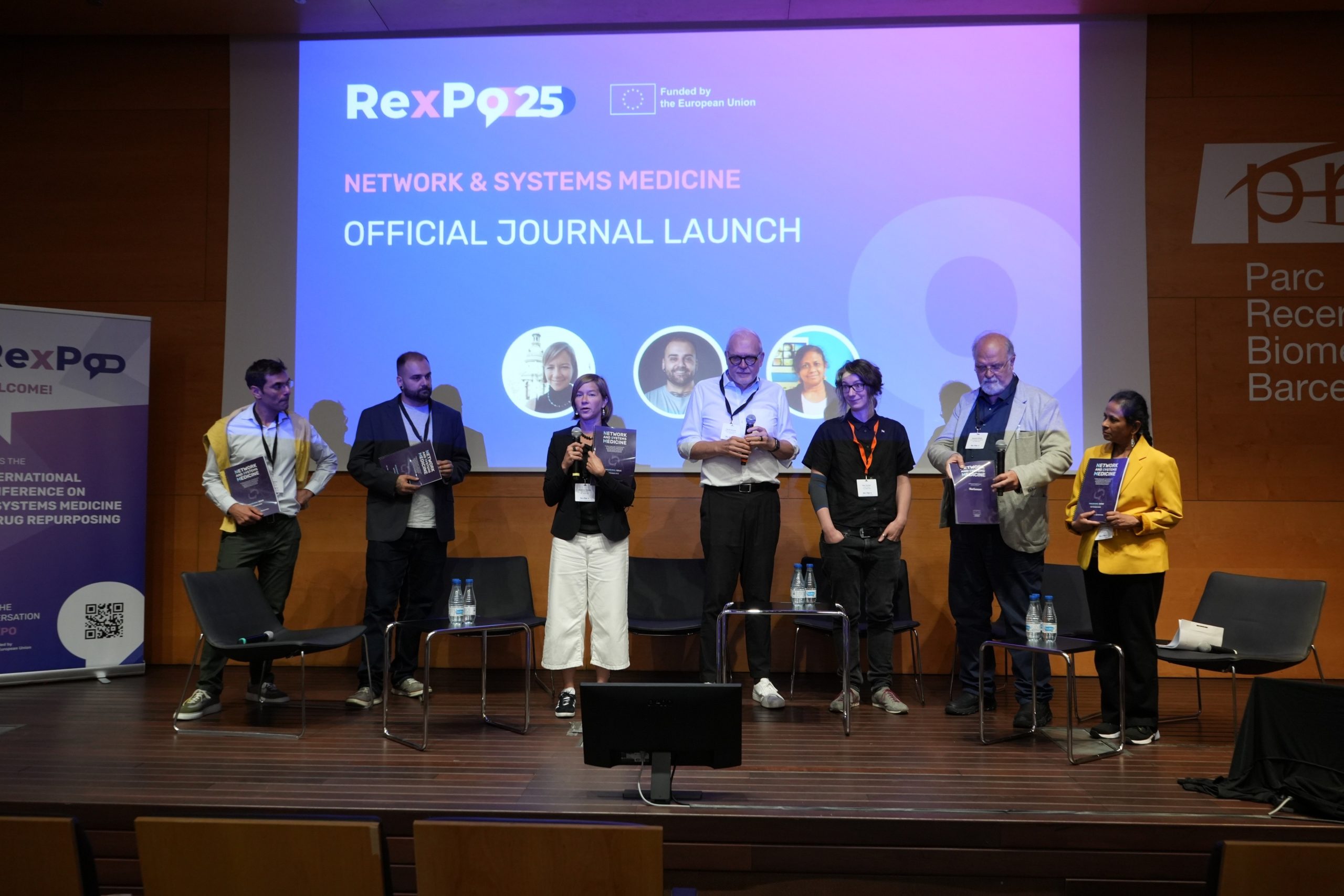
On 24-26 September 2025, representatives from the entire drug repurposing ecosystem gathered in Barcelona for RExPO25, the fourth edition of the international series of conferences organised and hosted by REPO4EU.
Under the premise of being at the heart of latent discussions shaping the future of medicine, this year’s conference brought together leading voices from academia, industry, policy, HTA bodies and patient-focused organisations to explore how systems medicine, artificial intelligence and innovative regulatory and reimbursement approaches can accelerate drug repurposing for the benefit of patients across Europe.
Building on the momentum of previous editions, RExPO offered once again a truly interdisciplinary programme, reflecting on how far the field has matured and how close repurposing is to delivering real-world clinical and societal impact, according to RExPO25 Co-chairs Harald Schmidt, Head of Pharmacology at Maastricht University and REPO4EU Coordinator, and Emrey Guney, CTO and Head of Discovery & Data Science at STALICLA.
“Over the years organising this conference, we have learned a lot about the challenges, the use cases and the stakeholders involved. We are now entering a phase where we see validations, specifically in cancer and Alzheimer’s trials, and the focus is increasingly on precision and clinical proof. This year, we really tried to cover all of this in a broad and interdisciplinary manner,” explained Prof. Schmidt.
From computational discovery to clinical validation
The RExPO25 agenda spanned the full drug repurposing pipeline, from advanced computational methodologies and systems biology approaches, to clinical validation and implementation.
Over 60 international speakers, spread across 15 sessions, delivered talks highlighting how AI-driven modelling, multi-omics integration and network-based approaches are enabling researchers to identify new therapeutic indications for diseases that have yet to find a viable cure – one that targets the root cause, and not merely treats its symptoms.
Several speakers emphasised that the field is now moving beyond proof-of-concept towards tangible clinical evidence, but also stressed the importance of maintaining robust, trustworthy frameworks when applying AI in biomedicine.
“We are living in an incredible moment where many developments are crystallising into reality. The computational capacity in Europe is growing, and artificial intelligence is at the centre of this, but we must keep an equilibrium — with trusted frameworks, scientific rigour and an understanding of real clinical constraints,” said Alfonso Valencia, Director of the Life Sciences department at Barcelona Supercomputing Center.
“We need drugs to treat diseases, but developing drugs is a complex challenge. This is where the idea of repositioning drugs from one indication to another is extremely powerful, but if we want to do this in a more effective way, we still need more knowledge,” added Prof. Valencia during his RExPO25 Honorary Lecture.
Regulation, reimbursement and access: confronting the real hurdles
Beyond scientific and technological advances, RExPO25 placed strong emphasis on the role of regulation, health technology assessment (HTA), reimbursement and market access — which are deemed amongst the community as some of the biggest hurdles for bringing repurposed medicines to patients.
Some of the experts representing payers and HTA bodies brought critical perspectives to the conversation. For instance, Sibylle Reichert, Executive Director at International Association of Mutuals (AIM), reinforced the fact that protecting universal access to healthcare is crucial in Europe, which means medicines must remain affordable, accessible and available. “That’s why reimbursement organisations are such important players in this space,” she said.
Following this thread, the discussions underscored that science, regulation and reimbursement cannot be treated as separate worlds, as Anja Schiel, Senior Advisor at Norwegian Medicinal Products Agency (NOMA), put it: “You cannot disconnect science from reimbursement decisions. Repurposing is a no‑brainer when it comes to savings and equity, but collaboration and knowledge transfer across stakeholders is essential.”
Also reflecting on the need to balance accessibility with incentives for innovation, Lynn Durham, CEO and Founder of STALICLA, highlighted that researchers operating in this space believe in the common good, but they operate in a system that is strongly tied to regulation and private investment.
“That’s why we need to strike a balance between accessible pricing and acceptable returns, so that drug repurposing can be sustainable,” Durham added.
Looking ahead — together
A recurring theme throughout RExPO25 was the need for systems-level thinking and collective innovation. Speakers repeatedly highlighted that no single discipline, sector or stakeholder can advance drug repurposing alone. This collaborative spirit was reflected not only in the programme but also in the openness of discussions across collectives that have traditionally worked in silos.
As the fourth edition of RExPO concluded, one message was clear: drug repurposing is no longer a niche concept, but a powerful and increasingly validated strategy to address unmet medical needs more efficiently. The challenge now lies in scaling these successes through coordinated scientific, regulatory and economic frameworks, built by many hands working together.
RExPO25 also reinforced the role of REPO4EU as a central platform for this dialogue, and set the stage for the next steps towards making repurposed, precision therapies accessible to patients across Europe.
About RExPO25
RExPO25, the 4th edition of our international series of conferences dedicated to Systems Medicine, Artificial Intelligence and Drug Repurposing, took place in Barcelona on 24-26 September 2025.
Revisit the conference
Curious to learn more? Watch our video compilation for RExPO25