
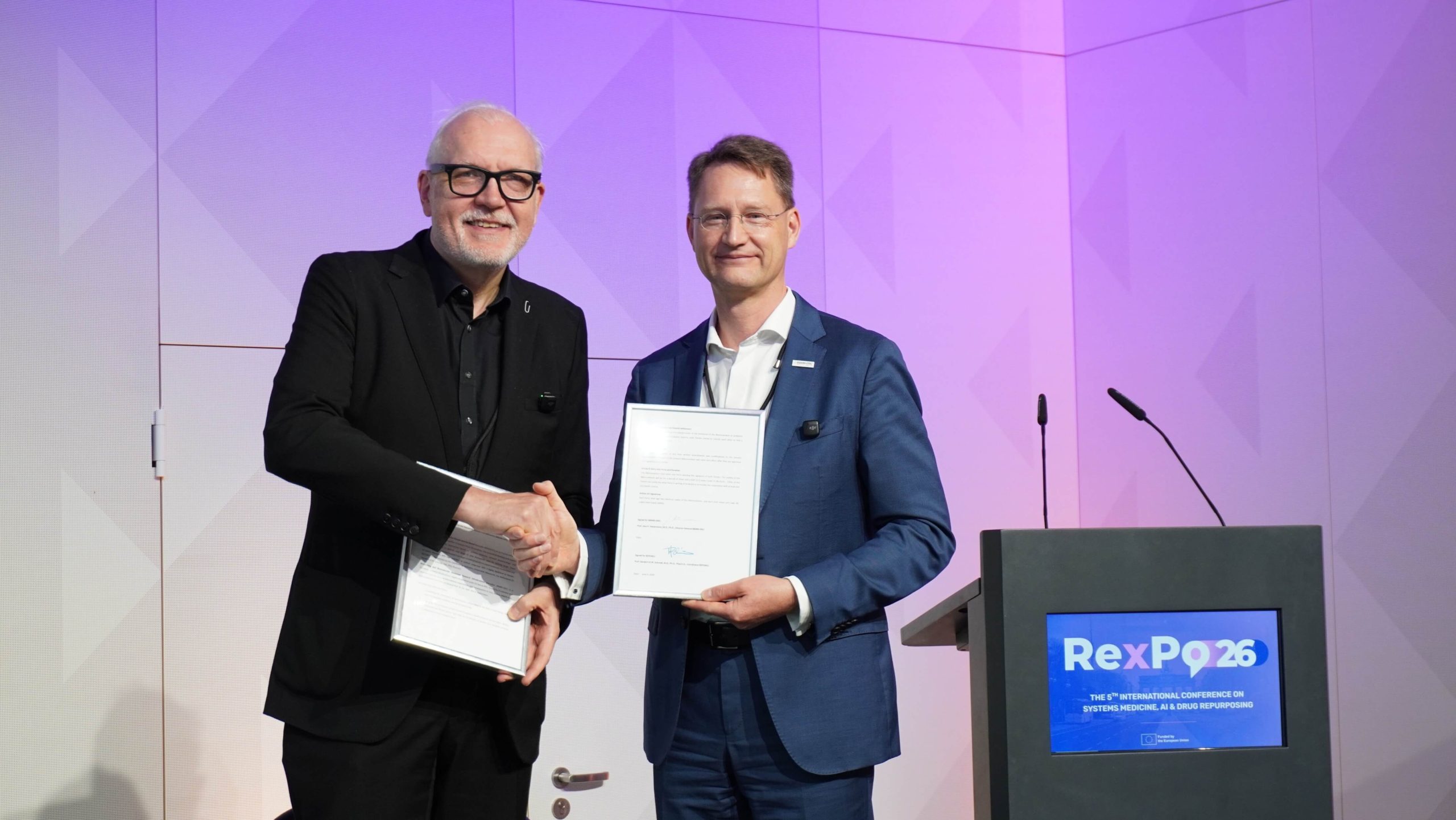
REPO4EU and BBMRI-ERIC join forces to bring precision drug repurposing closer to patients
In a major step forward for personalised medicine, REPO4EU and Europe’s biobanking infrastructure, BBMRI-ERIC have partnered to accelerate precision drug repurposing. Formalised through a Memorandum of Understanding (MoU), this strategic partnership unites precision drug repurposing research with Europe’s network of biobanks to better translate biomedical discoveries into tangible benefits for patients.
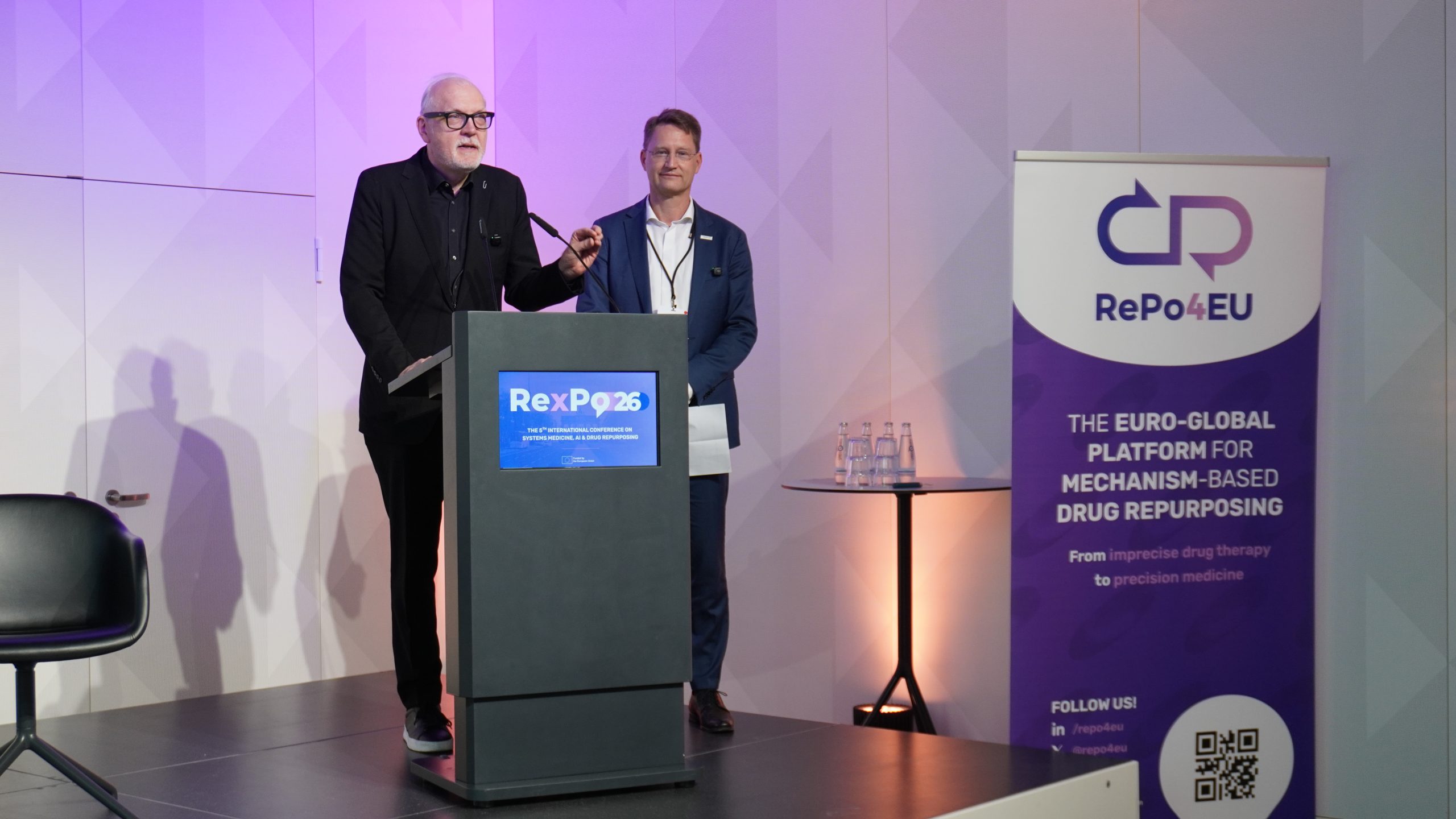
Officially presented during the RExPO26 conference in Berlin, the agreement establishes a powerful framework for scientific cooperation between the two organisations. By combining REPO4EU’s expertise in systems medicine, precision diagnostics and patient stratification with BBMRI-ERIC’s extensive biological samples, data and biobanking expertise, the collaboration aims to drive highly effective and targeted approaches to drug repurposing.
Connecting molecular insights with patient data
REPO4EU aims to advance drug repurposing by identifying the molecular mechanisms underlying diseases and leveraging this knowledge to find new therapeutic applications for existing medicines. By focusing on the disease drivers, researchers can work towards identifying treatments that are better matched to individual patients and their specific disease characteristics.
Biobanks play an important role in this process by providing access to the biological samples and associated data needed to investigate and validate research findings. Through its Europe-wide network, BBMRI-ERIC connects researchers with these resources and the expertise required to maximise their potential.
As Harald Schmidt, REPO4EU Project Coordinator, explained, “this collaboration offers an opportunity to investigate how predictive and mechanistic biomarkers relate to specific disease phenotypes; such insights can help researchers assess how prevalent a biomarker is within a patient population and how effectively it can predict a particular disease characteristic.”
The MoU sets out several key areas for scientific collaboration, including biomarker discovery, pre-clinical testing, precision pharmacology and medicine. Additionally, it aims to facilitate access to samples, data and related biomolecular resources, while simplifying access processes across institutions and encouraging collaboration across disciplines and countries.
“For us, BBMRI-ERIC is a very important collaboration partner because they have a European-wide network of biobanks, data and expertise. This will help us identify drugs that can be repurposed to actually cure patients, and do so faster and safely.” — Harald Schmidt, REPO4EU Project Coordinator
A shared ambition to improve patient outcomes
For BBMRI-ERIC, the agreement connects the potential of biobanking with a clear clinical purpose: finding new uses for existing medicines and supporting their translation into healthcare.
Jens Habermann, Director General of BBMRI-ERIC, highlighted the value of combining REPO4EU’s expertise in systems medicine, precision diagnostics and patient stratification with the biological samples, data and resources available through the BBMRI-ERIC network.
He also remarked how the agreement reflects a shared commitment to strengthening European biomedical research and advancing precision healthcare, while aligning with BBMRI-ERIC’s 10-Year Roadmap, Biobanking for a Healthier World, and the objectives of the EU Life Sciences Strategy 2030.
“This collaboration really connects the potential of biobanks with a concrete clinical purpose: finding new uses for existing medicines. Together, we can build a stronger path from molecular insight to clinical research, ultimately for the benefit of patients and to sustain affordable healthcare systems.” — Jens Habermann, Director General of BBMRI-ERIC
In a nutshell, this partnership sets a foundation for closer cooperation between the two research communities while reinforcing a common ambition: to translate advances in biomedical research into meaningful benefits for patients and contribute to more effective, accessible and affordable healthcare.
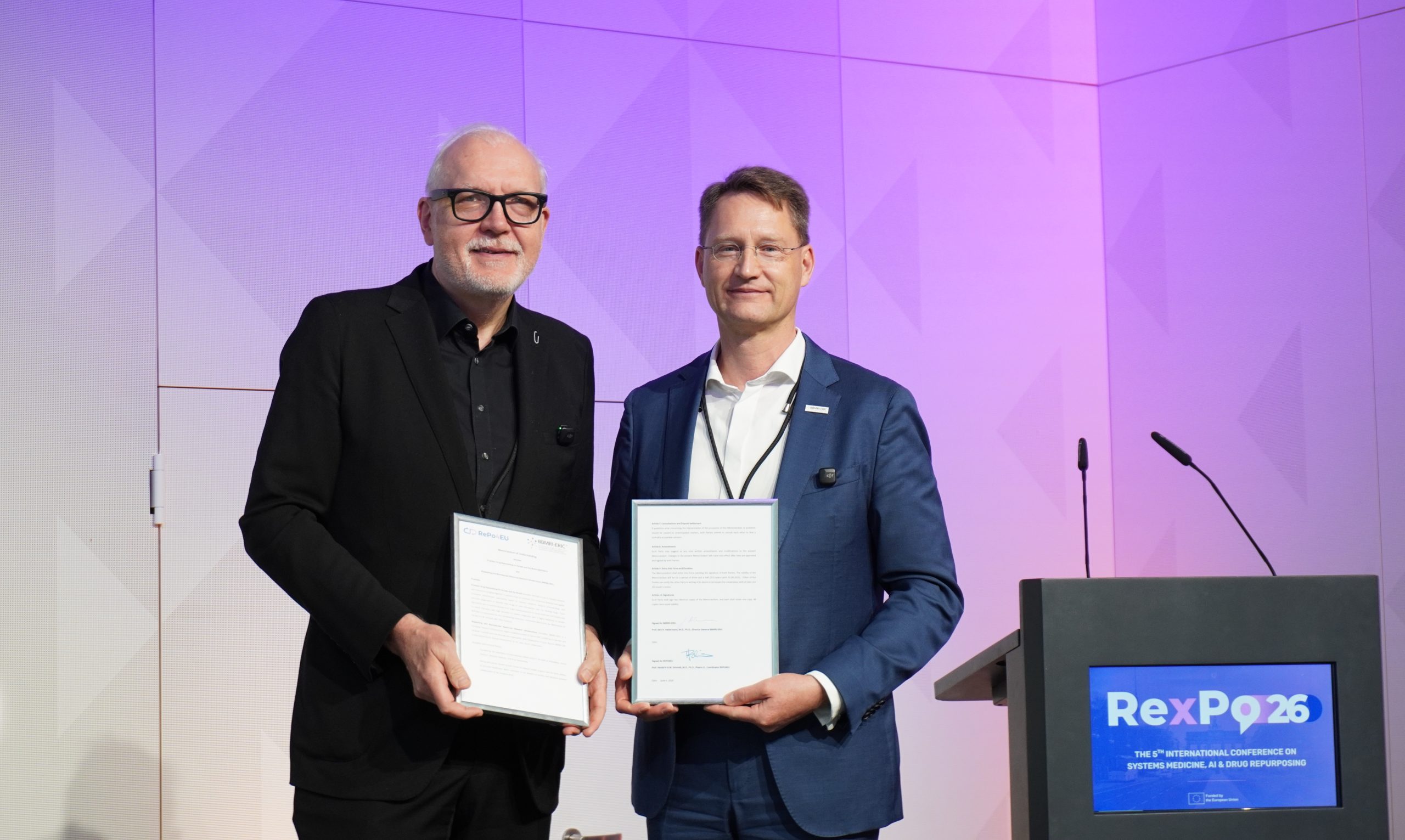
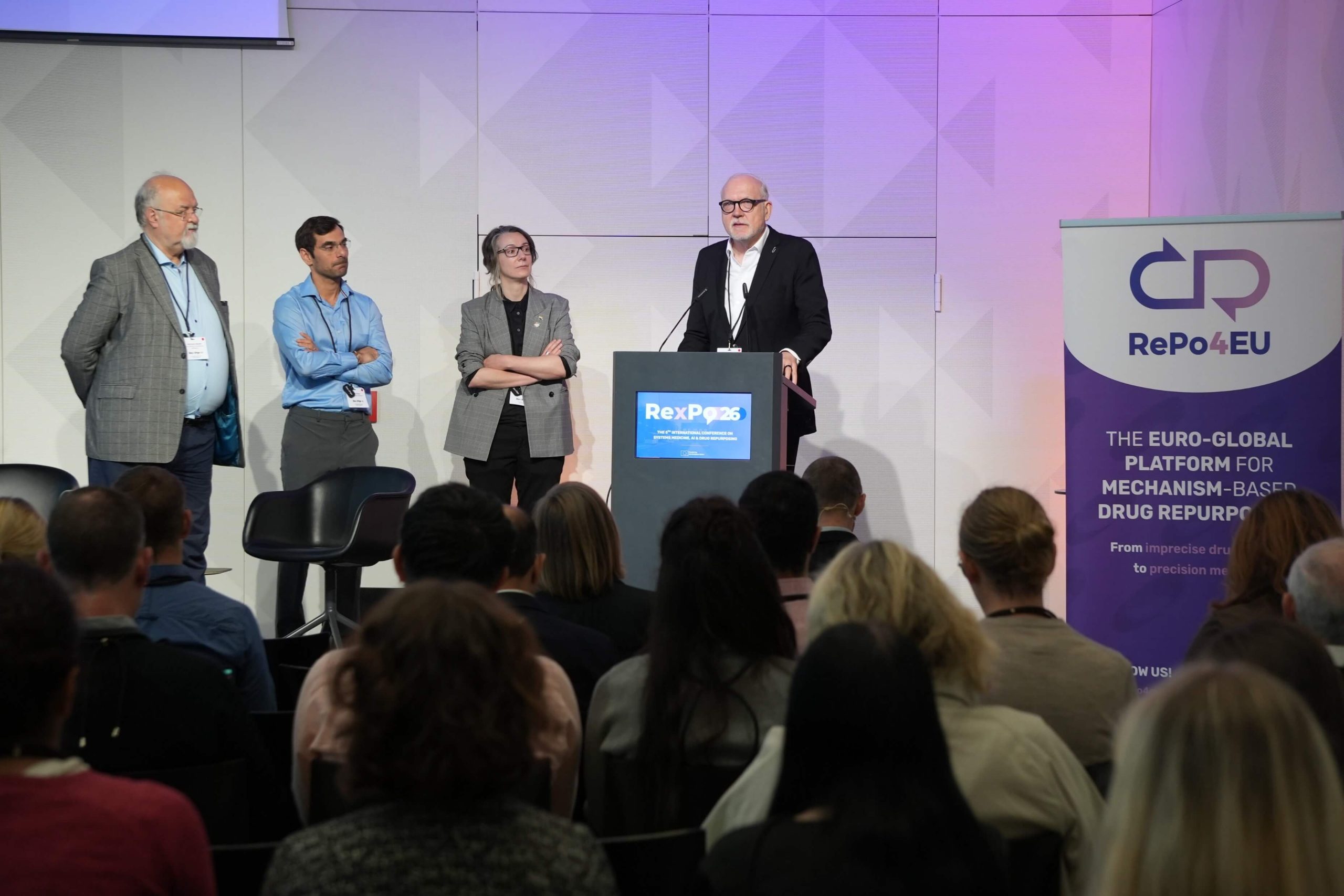
The moment the MoU was officially announced at RExPO26
REPO4EU x BBMRI-ERIC: Driving precision drug repurposing for patient benefit
Explore the REPO4EU Platform
Navigate through the one-stop shop for everyone in drug repurposing, powered by REPO4EU

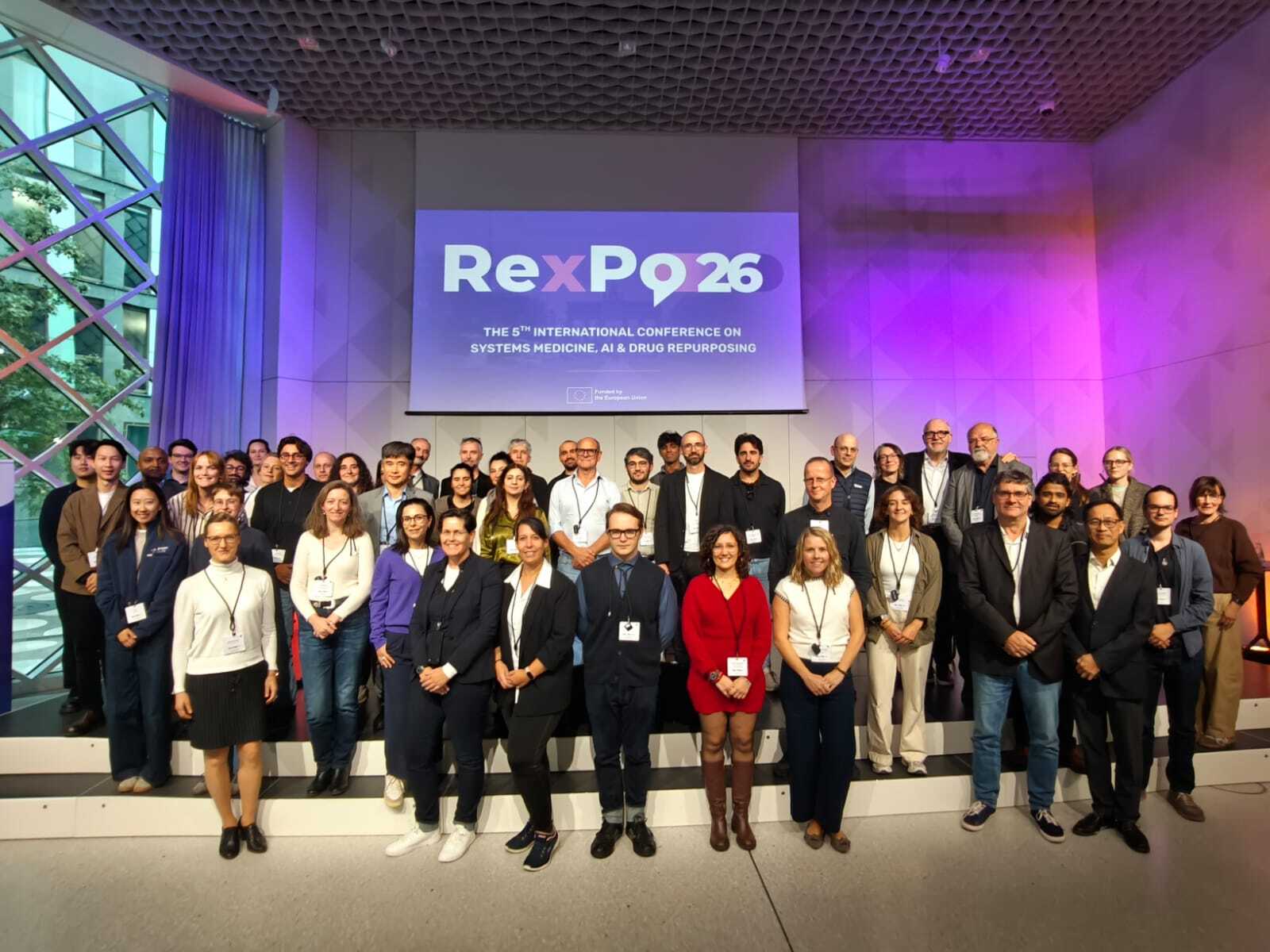
RExPO26: A collective movement to revolutionize the future of Systems Medicine, AI and Drug Repurposing
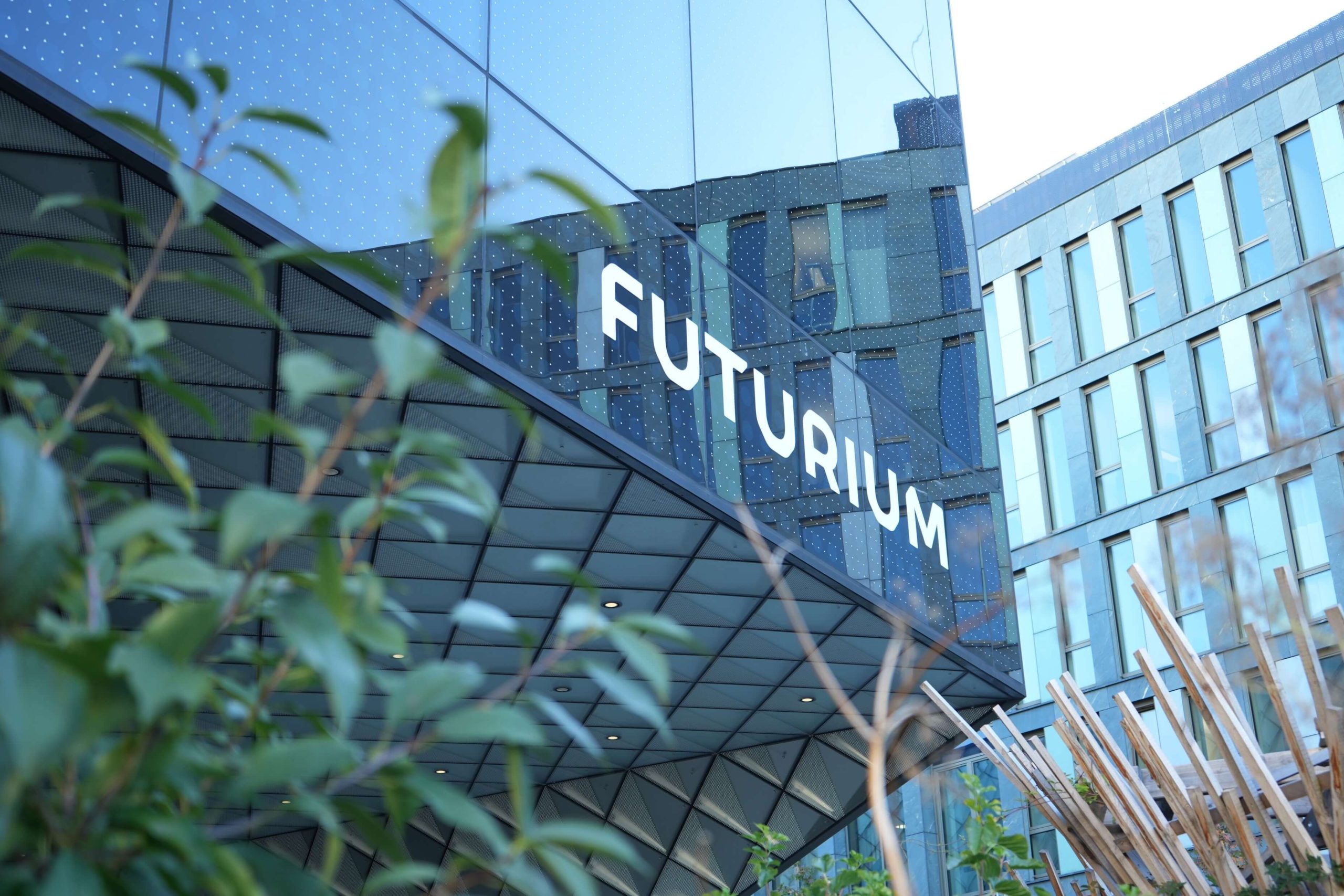
From 23–25 September, RExPO26 brought the global drug repurposing community together in Berlin, one of Europe’s science hubs, for the fifth edition of the international conferences series organized by REPO4EU. It’s no coincidence that this year’s event took place at Futurium, “the House of Futures”. Here, leading researchers, scientists, regulators, policy‑makers, industry representatives and patient‑focused organizations actively joined the movement to push the boundaries of modern medicine.
RExPO26 in a nutshell
The impressive scale of RExPO26 illustrated the huge amount of mental power gathered under one roof. With over 120 attendees – from 24 countries across Europe, the United States, Australia, Taiwan and beyond –, 55 speakers, 17 poster presentations, and 58 publications showcased across 11 dynamic sessions and 2 interactive workshops, the numbers speak for themselves, underscoring how far the field has evolved. Yet, beyond the statistics, it was the interdisciplinary quality, the vibrant energy and the amazing community character that proved the overarching sense of a shared purpose and commitment for action towards sustainable solutions to the world’s most pressing unmet healthcare needs.
This year’s programme spanned a wide spectrum of topics and expertise ranging from cutting-edge research and breakthrough technological advancements to the critical importance of scientific integrity. Discussions went in depth into network medicine, drug repurposing and rare diseases, while actively solidifying international coalitions, celebrating late‑breaking innovations and showcasing the next generation of researchers.
At the heart of it was the 2026 Honorary Lecture by Joseph Loscalzo of Harvard Medical School, who challenged the audience to rethink traditional medical definitions by asking a simple question: What is disease? By shifting the paradigm from symptoms to causes, Loscalzo’s talk encapsulated the fundamental philosophy of systems medicine that drives REPO4EU.
A leap forward: The platform beta release & strategic synergies
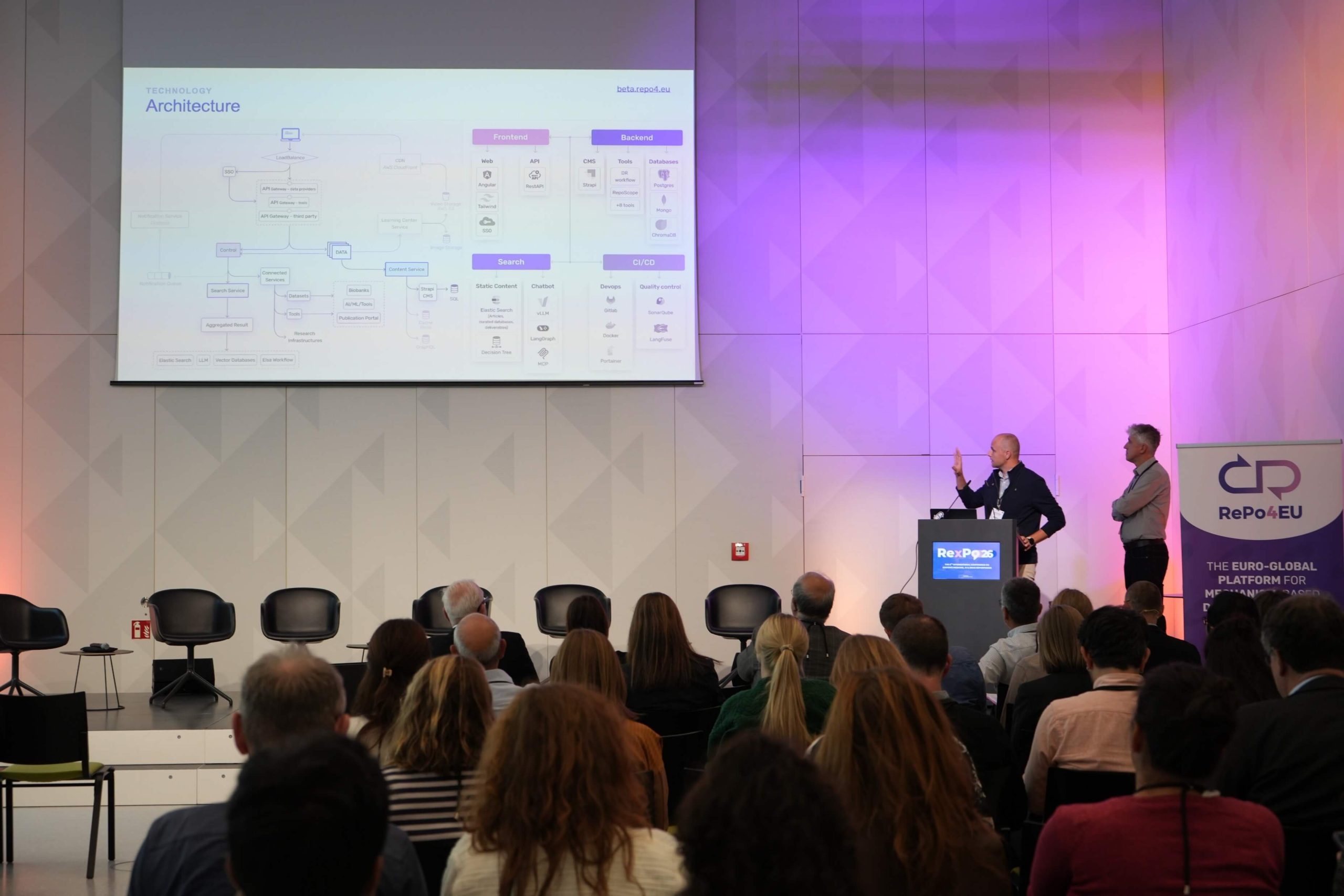
A highly anticipated highlight this year was the official public release of the REPO4EU Platform, the revolutionary one-stop shop for everyone in drug repurposing. Through dedicated talks, a hands-on workshop and a video presentation the key features of the platform were introduced, inviting scientists at every level, clinicians and the wider ecosystem to change how they work and unite under one collaborative, evolving, online workspace. The mission is clear: to focus on what matters most – advancing patient therapies. What lies ahead? Bela Bihari, General Manager of Egnosis – the technology partner leading the platform architecture development – stressed that gathering valuable community feedback is of utmost importance to fine‑tune the final version.
Beyond digital infrastructure, the conference boldly emphasized that drug repurposing relies fundamentally on robust coalitions. A prime example of this was the ceremonial handover of a Memorandum of Understanding between REPO4EU and BBMRI-ERIC, the European Research Infrastructure for biobanking and biomolecular resources. Jens Habermann, Director General of BBMRI-ERIC, underlined this as a great step forward for all stakeholder groups.
“By bringing the assets of both sides together, this collaboration will accelerate innovation, leverage clinical research, and boost European competitiveness, ultimately for the benefit of patients,” he added.
Balancing Artificial Intelligence with human intuition
As the global medicine and life sciences landscape undergoes a major digital revolution, the role of AI and LLMs naturally took center stage. RExPO26 featured extensive discussions on how advanced computational capacity and AI can accelerate therapeutic strategies. Yet, despite the enthusiasm for cutting-edge technology, the takeaway was clear: AI is a tool to complement scientific rigor. Hermann Mucke, CEO of H.M. Pharma Consultancy, captured this perfectly:
“As a community, we must invest our ingenuity and our human capability of intuition to work with AI in the right way.”
Spotlight on Rare Diseases and Open Science
The newly introduced session on Open Science, Research Integrity & Quality Publishing raised the voices on the growing challenges of paper mills and data available upon request, highlighting how the forces shaping trust in science must be better organized. Nina Tscheke, COO of ScienceOpen and co-chair of this year’s conference, showcased best practices in open science publishing and the latest developments on Drug Repurposing Central, the dedicated publication and research portal of REPO4EU.
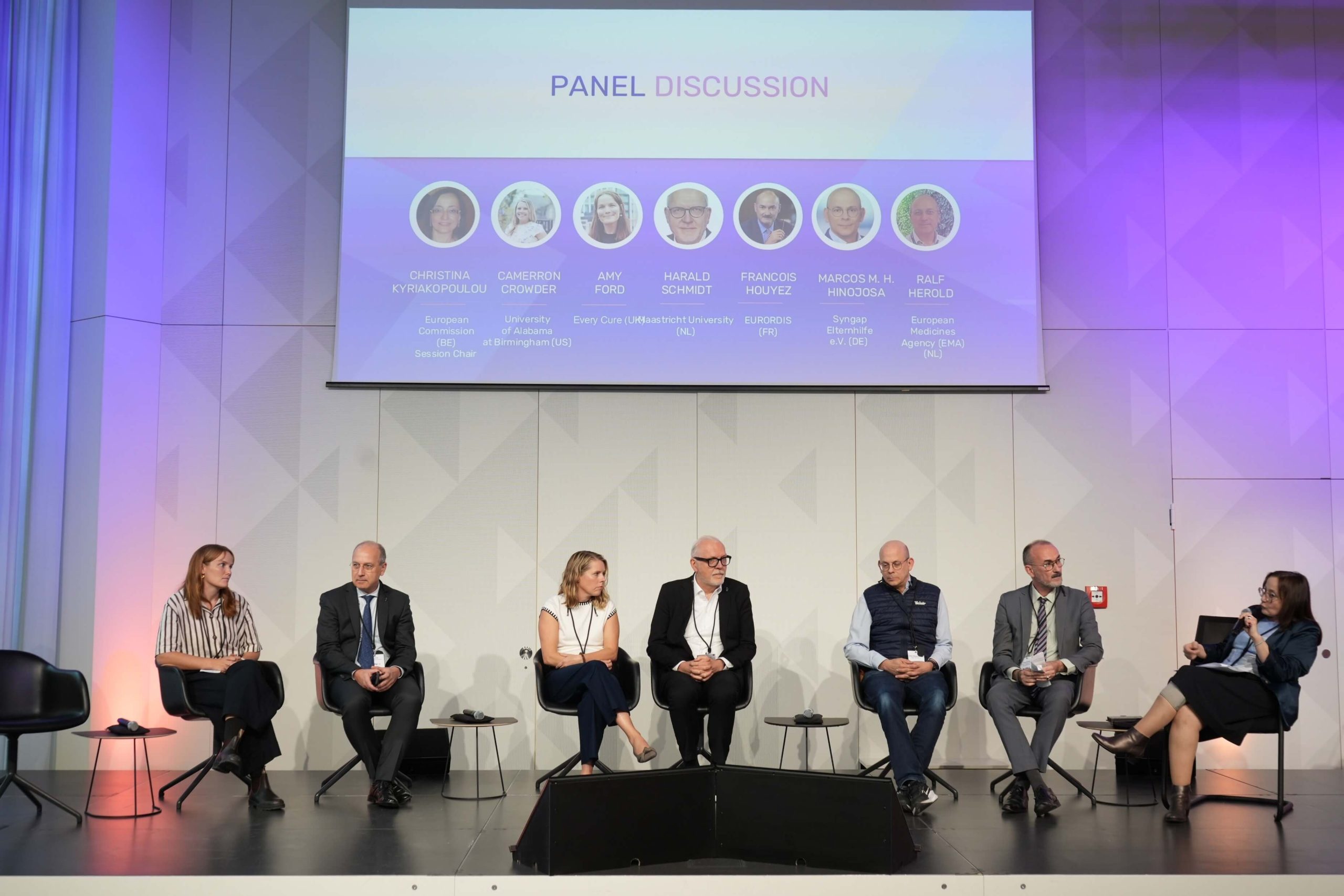
However, it was the closing session on Rare Diseases & Translational Network Medicine that electrified the energy in the room. Christina Kyriakopoulou, Scientific Policy Officer of the European Commission, delivered a powerful message pointing to the current situation for millions of patients:
“There is no approved therapy for 90-95% of rare diseases, and drug repurposing is the most promising way to get the right treatment for them.”
Breaking through the real barriers
While the science of drug repurposing is rapidly advancing, the economic and regulatory frameworks often lag behind. Recognizing that science cannot be disconnected from market realities, a pivotal session focused on Aligning IP Strategy, Investment Incentives & Reimbursement in Drug Repurposing.
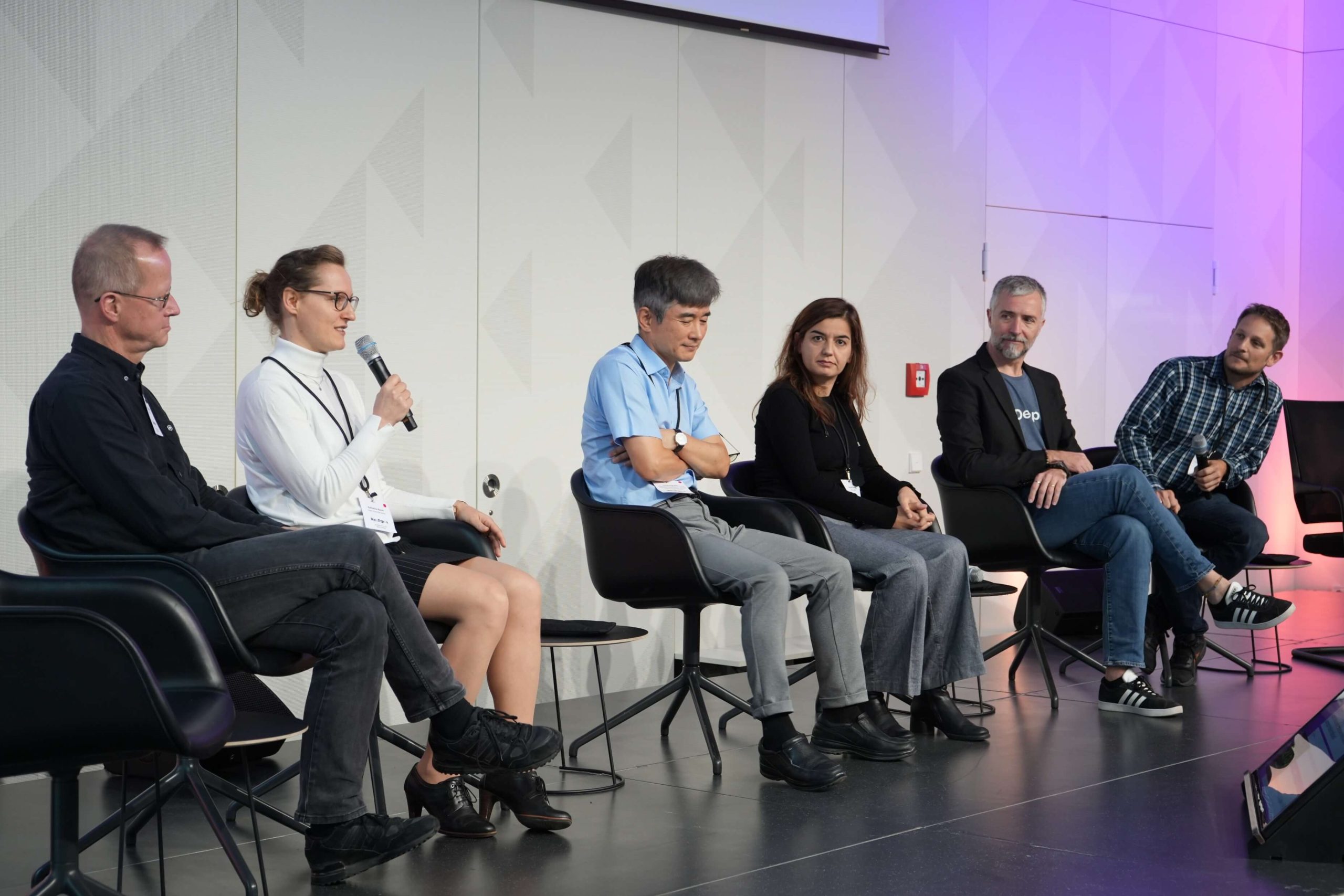
Experts debated the complexities of integrating IP strategies with reimbursement designs, indication-specific prescribing, early health technology assessments (HTAs) and market access planning. One of the most significant actionable outcomes of the conference was the announcement of the formation of a Core Special Interest Group (SIG), which will bring together key national‑level stakeholders to, collaboratively, pave the way for promising repurposed therapeutics to truly reach the patients who need them.
The momentum for 2027 and beyond
As the doors of the Futurium closed, the work ahead continues. In the coming months, the transition from the newly launched beta version of the REPO4EU Platform to a fully refined global infrastructure will be a central priority. Strengthening the existing synergies and pursuing new powerful coalitions that amplify the impact of drug repurposing across medicine and patient needs remains essential, a point underscored in the opening speech by Monica Ensini, Policy and Programme Officer at the EC’s Health and Digital Executive Agency (HaDEA). Overcoming the hurdles in the field of reimbursement with the support of the SIG sits at the top of the REPO4EU agenda.
The momentum generated in Berlin demonstrated the strength of a unified drug repurposing ecosystem and we are on a mission to sustain this collaborative energy until we meet again next year. As Harald Schmidt, REPO4EU Coordinator stated:
“RExPO is always a perfect place for networking and finding collaborators. If you missed it this year, see you next year in Athens!”
About RExPO26
RExPO26, the 5th International Conference on Systems Medicine, AI and Drug Repurposing, took place in Berlin on 23-25 September 2026.
Introducing the REPO4EU Platform (beta)
The one-stop shop for everyone in the drug repurposing ecosystem. Try it out and give us your feedback, so we can implement it for the final version of the platform.