
Welcome to REPO4EU: Core insights
Our brand new article series where we bring you closer to our project's core innovations and results.
What is real-world data-driven Artificial Intelligence?
A brief introduction
Artificial Intelligence (AI) has undeniably emerged as the definitive revolution of our era, fundamentally reshaping the global landscape by collapsing the distance between human intent and execution. Within the REPO4EU project, AI is far more than a buzzword; it represents a profound paradigm shift. By synergizing AI with systems biology and network pharmacology, we aim to move beyond symptom-based treatments to redefine diseases through mechanism-based endotypes, generating robust, data-driven hypotheses for drug repurposing.
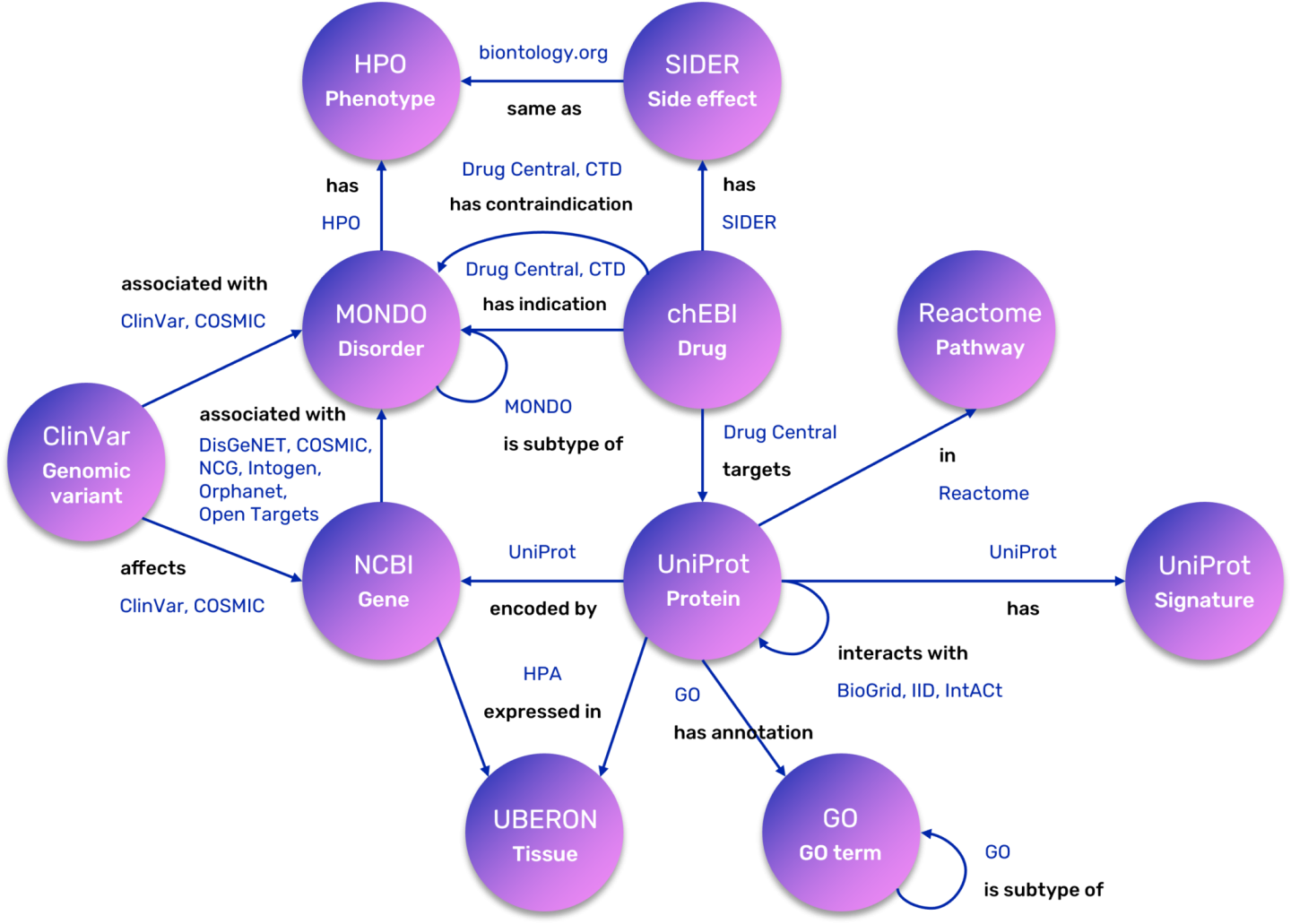
The complexity of this field requires the seamless integration of vast, heterogeneous data: from drug targets’ information, signaling pathways and protein-protein interactions to gene-disease associations, gene expression, and adverse drug effects. Consequently, REPO4EU is developing a comprehensive knowledge base aiming to bring these diverse data sources together into a harmonized, interoperable framework that supports downstream analyses and decision-making. This framework serves as the foundation for uncovering the molecular mechanisms of diseases and identifying promising drug targets and compounds for repurposing. These hypotheses are further refined through advanced in- silico workflows and subsequently validated in pre-clinical and clinical studies.
The road so far
Towards a robust repurposing framework powered by AI
A key achievement of the REPO4EU project is the expansion of the NeDRex database, which serves as our foundational knowledge base and is an integral part of the REPO4EU platform. This extensive, continuously updated resource provides the structural backbone for downstream analyses. To ensure our framework remains at the cutting edge of computational drug repurposing, we carried out an extensive literature collection, review, and categorization, now maintained and expanded through automated search queries and specialized AI-driven tools.
Building upon this data-rich foundation, we have developed a sophisticated suite of computational workflows and software tools, which includes:
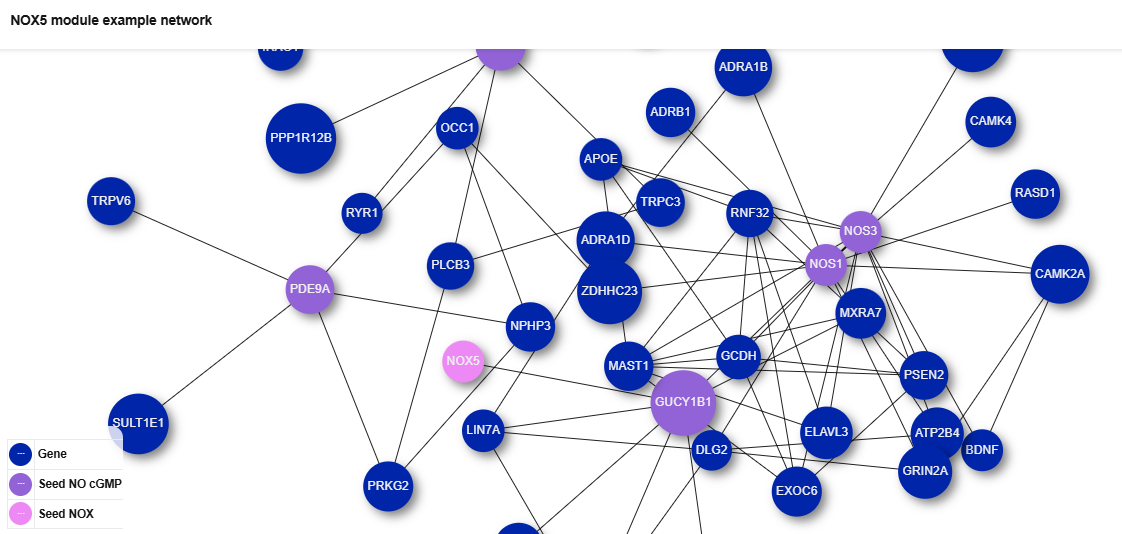
- A fully automated pipeline for disease module inference and drug repurposing hypothesis generation.
- A dedicated chemoinformatics pipeline.
- A tool for selecting high-confidence, disease-associated gene sets
- A drug repurposing tool leveraging Graph Neural Networks (GNNs), as well as a web-based application for refining and exploring putative disease mechanisms.
Collectively, these advancements empower a continuous cycle of discovery, enabling the generation of high-precision drug repurposing hypotheses that are systematically refined and validated through a rigorous integration of computational and experimental evidence.
Looking ahead
Envisioning new industry standards
As we move forward, REPO4EU remains committed to a vision where AI and bioinformatics are not merely experimental additions but foundational pillars of the drug development pipeline. Our ultimate goal is to embed these technologies into the industry standard, enabling the identification and validation of mechanism-based, patient-tailored therapies with unprecedented speed and accuracy.
However, the path to a standardized model is defined by its challenges as much as its opportunities. Mechanistic drug repurposing is inherently complex, requiring a sophisticated interdisciplinary blend of expertise, advanced computational methods, and access to high-quality, diverse datasets. To generate meaningful in-silico hypotheses, we must maintain access to high-quality, diverse, and harmonized datasets —a task made more difficult by the fact that disease mechanisms and patient responses are highly idiosyncratic. Furthermore, the rapid evolution of the AI field demands constant iteration and requires constant adaptation of our tools and methods. Critically, while AI acts as a powerful catalyst for discovery, it should not become a replacement for human expertise, but a collaborative tool that augments the researcher’s ability to navigate the biological maze instead.
To overcome the challenges and stay true to our vision, we must and will continue refining our tools and workflows and foster collaboration across disciplines, to ensure that precision drug repurposing evolves from a specialized research effort into a routine, life-saving component of global clinical innovation.
Behind the scenes
Meet our Experts’ team
A multidisciplinary powerhouse of academic, clinical, and industry partners (STALICLA, University of Hamburg, University of Vienna, Brigham and Women’s Hospital, Technical University of Madrid, BioLizard, Maastricht University, Radboud University Medical Center, University of Zurich), led by the Technical University of Munich, contributes specialized expertise to the development of the REPO4EU AI-driven repurposing framework.
By integrating foundational data with specialized expertise in patient stratification and chemoinformatics, infectious diseases, and rare disease mechanisms, we transform fragmented information into actionable medical intelligence. This synergy is further sharpened by advanced in-silico validation and clinical endotyping, ensuring every hypothesis is grounded in real-world plausibility.
Together, we form a cohesive ecosystem dedicated to bridge computational modeling, clinical insight, and translational application towards a new life-saving era for patients.
About our platform
Discover our platform and explore its key features
Become an early tester now!
Follow the link to sign up for our platform's alpha release